Custom CNC Output Shaft Manufacturer: From Drawing to Mass Production
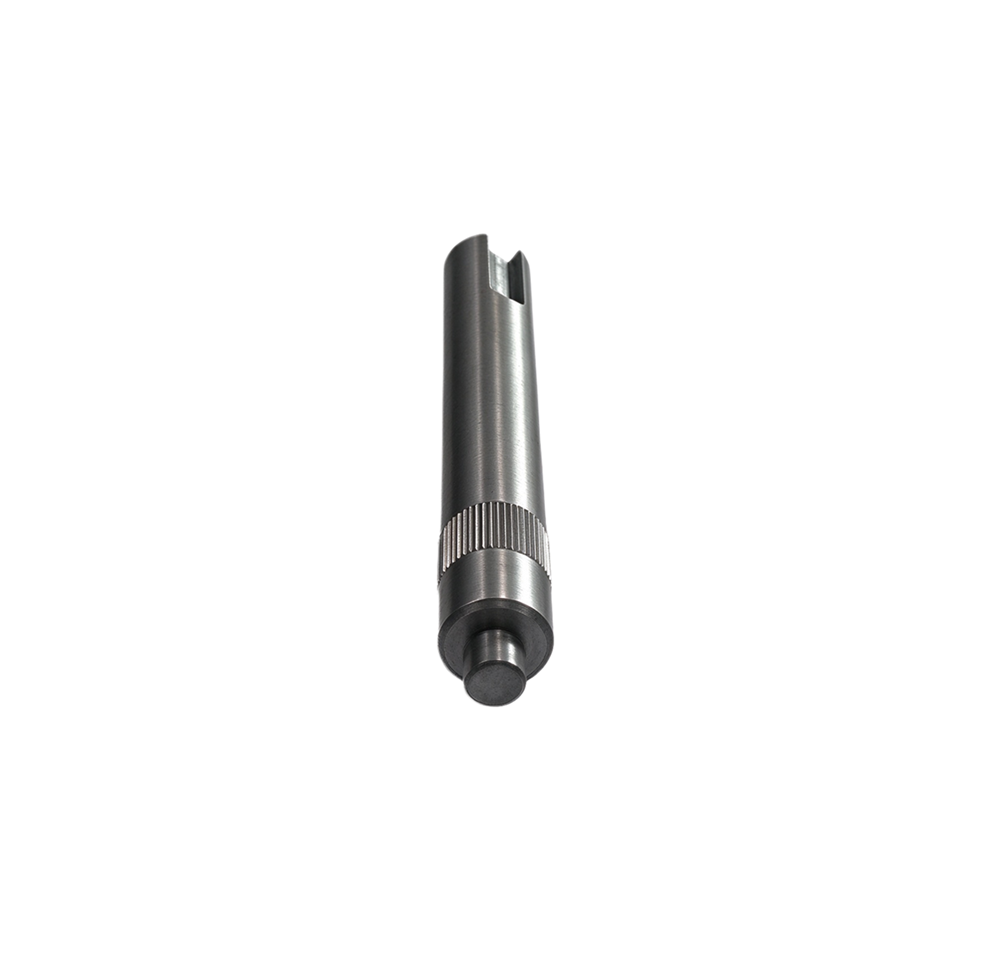
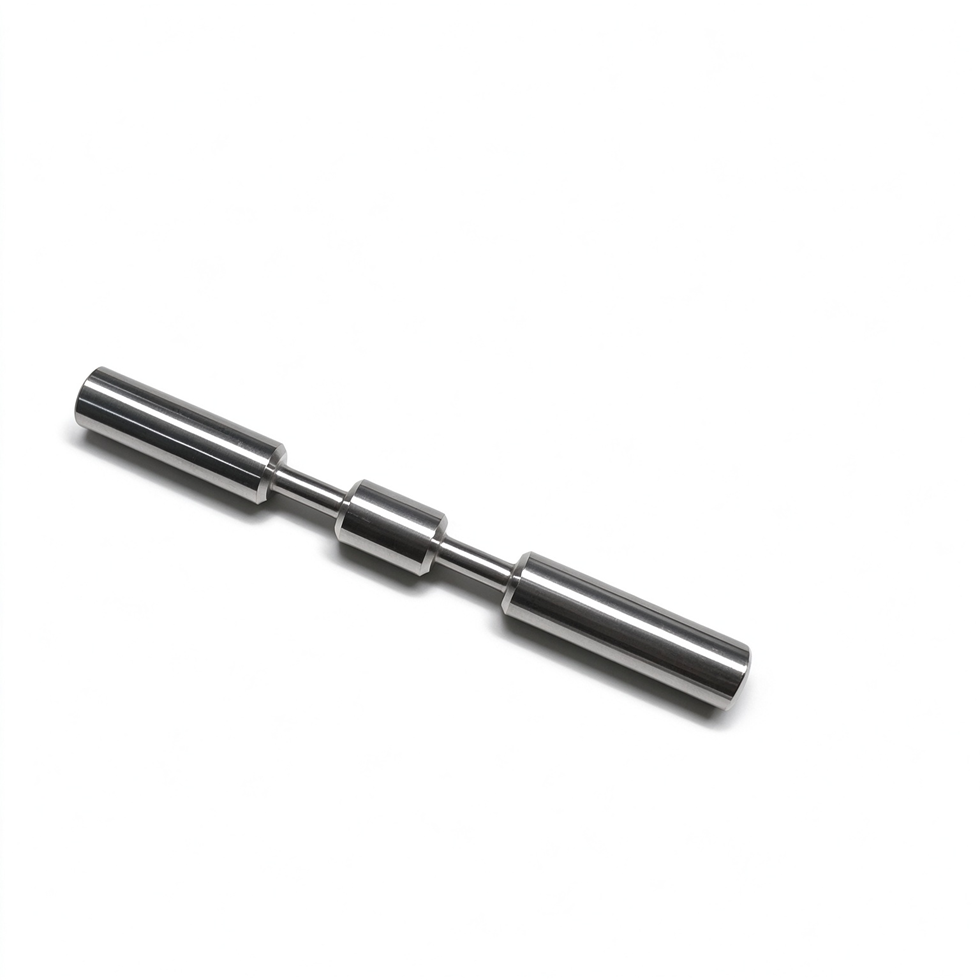
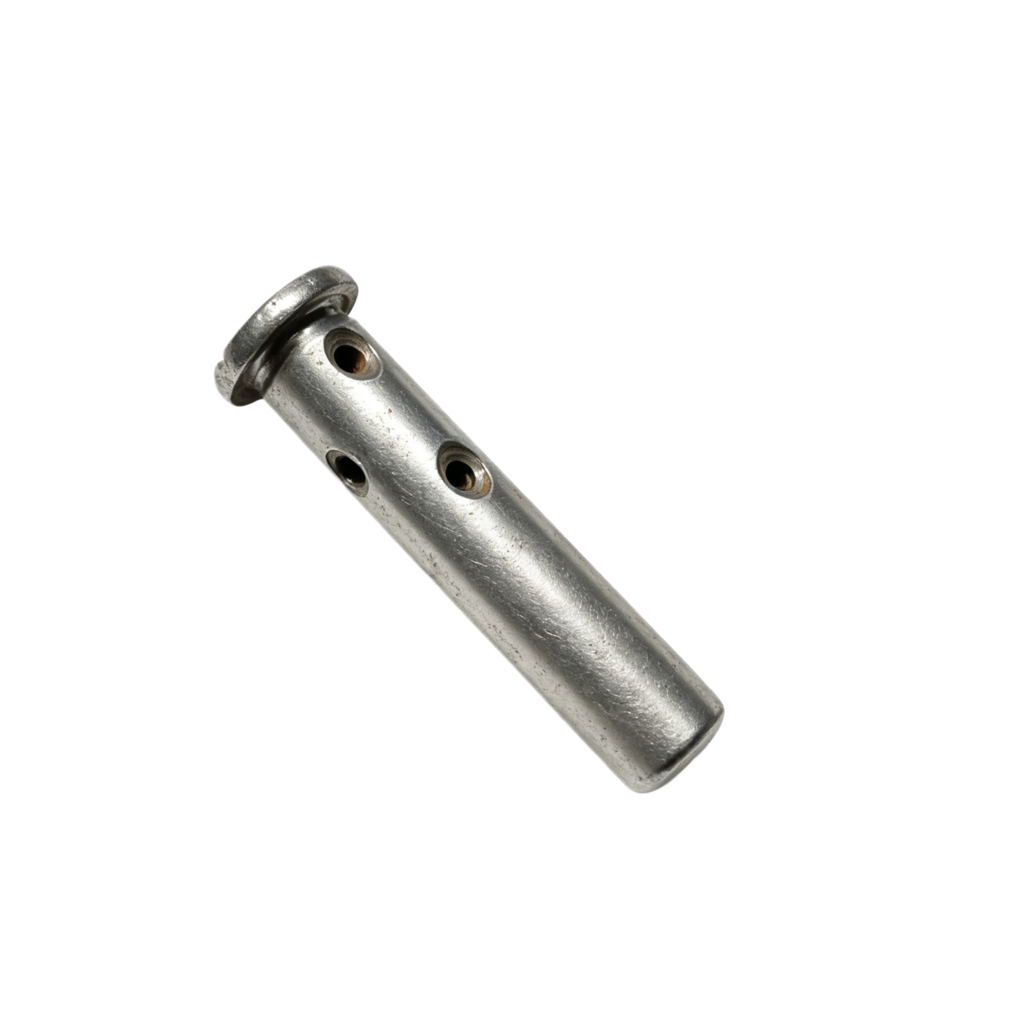
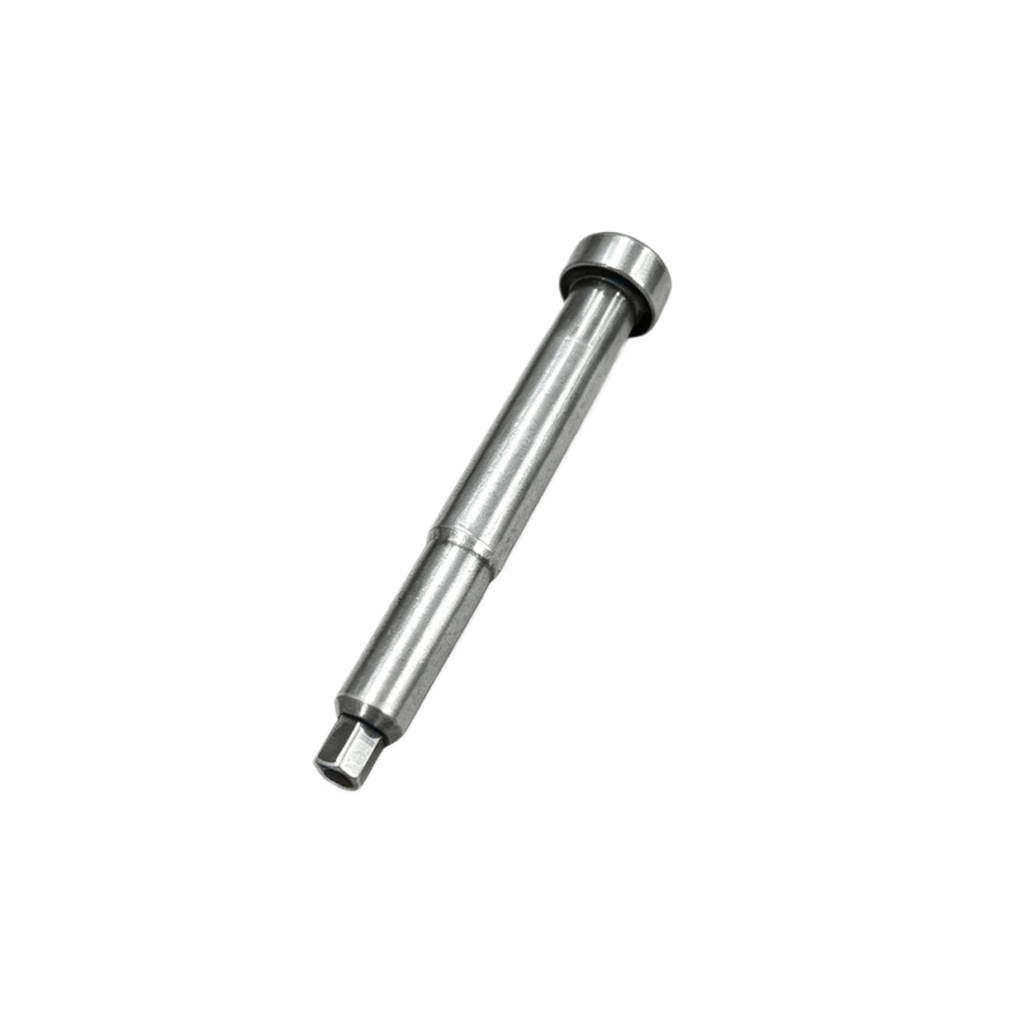
Looking for a reliable custom CNC output shaft manufacturer? In smart bubble bath devices and micro pumps, the output shaft is often a non-standard part. A good CNC shaft manufacturer offers more than machining. Qimao Metal Manuafcturer offers a standardized process from drawing to mass production.
A shaft may look like a simple component. But in a pump-driven product, it connects the motor to the pump structure, transmits torque, and directly affects noise, wear, and service life. If the shaft is slightly off in concentricity, hardness, or surface finish, the whole product can fail in the field. That is why choosing the right custom CNC output shaft manufacturer matters far more than comparing unit prices.

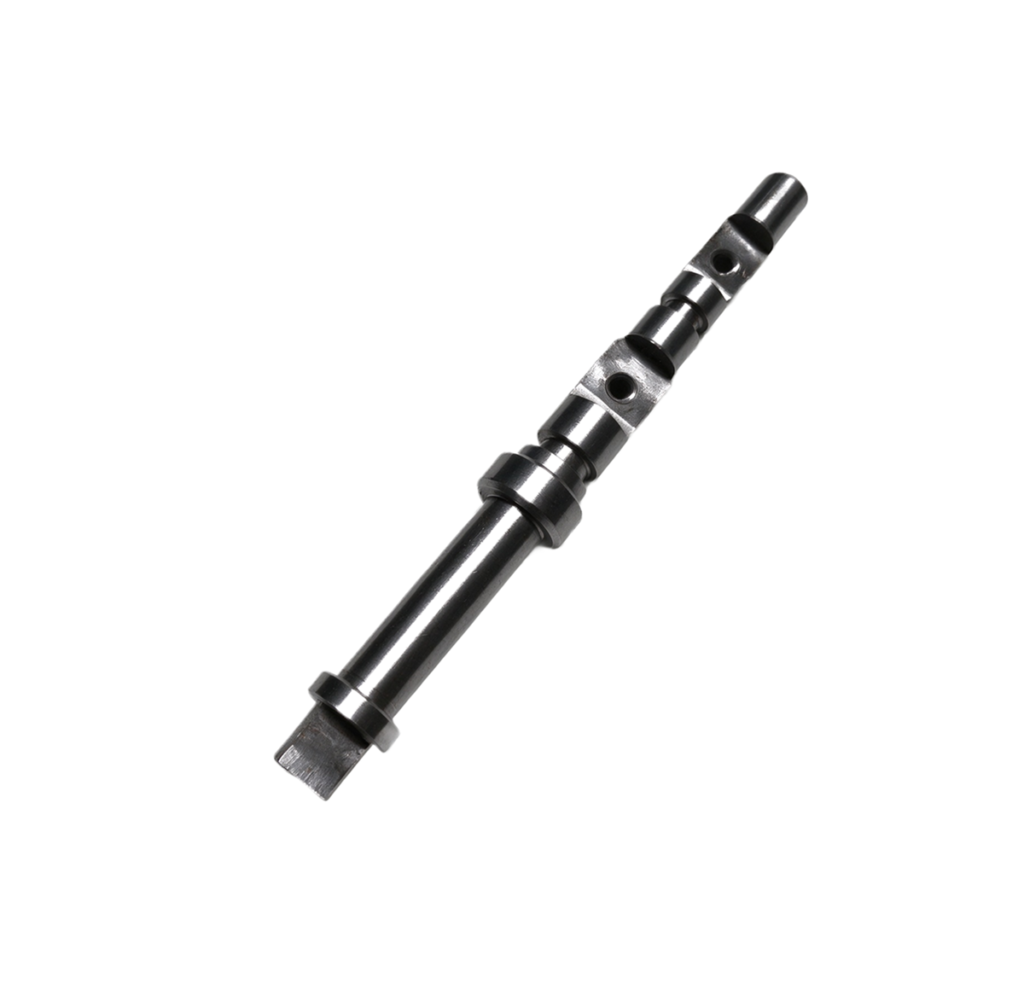
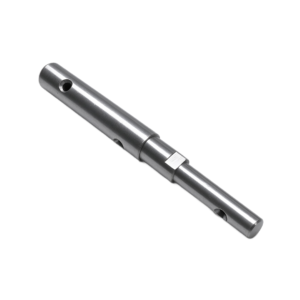

Custom CNC Output Shaft Capability
We Qimao Metal Manuafcturer start with technical evaluation, not quoting. Our engineers clarify torque, speed, assembly space, material, heat treatment, and critical precision. Then we output custom CNC output shaft drawings ready for machining.
This first step is where most custom projects succeed or fail. Many buyers come to us with only a sketch, a worn sample, or a simple requirement like “a shaft that can drive the pump.” That is not enough to machine a reliable part. We need to understand the application first:
- What motor is used, and what is its rated torque and speed?
- How does the shaft connect to the pump, connecting rod, gear, or direct coupling?
- Is there radial or axial load? How much?
- What is the available assembly space? Any interference risk?
- What material is suitable — stainless steel, alloy steel, or carbon steel?
- Is heat treatment required for wear resistance or toughness? Any special requirements of wear resistance or toughness?
- How about the surface finish reuirements of sealing or friction control?
- How about the surface finish reuirements of sealing or friction control?
- What surface finish is needed for sealing or friction control?
- Which dimensions are critical? Concentricity, runout, tolerance, and surface roughness?
Our engineers from Qimao Metal Manuafcturer work backward from the application to the design requirements. Instead of guessing, we define what must be controlled, why it matters, and to what level. This is the foundation of a custom CNC output shaft that actually works in mass production.
Standardized CNC Machining Process
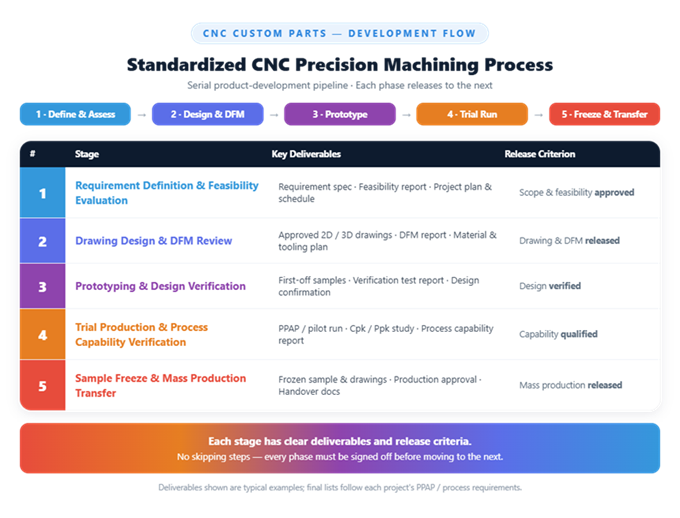
A custom Metal Part is not a one-step machining job. The Metal Parts follows a structured development flow. Each stage has clear deliverables parts and release standard.
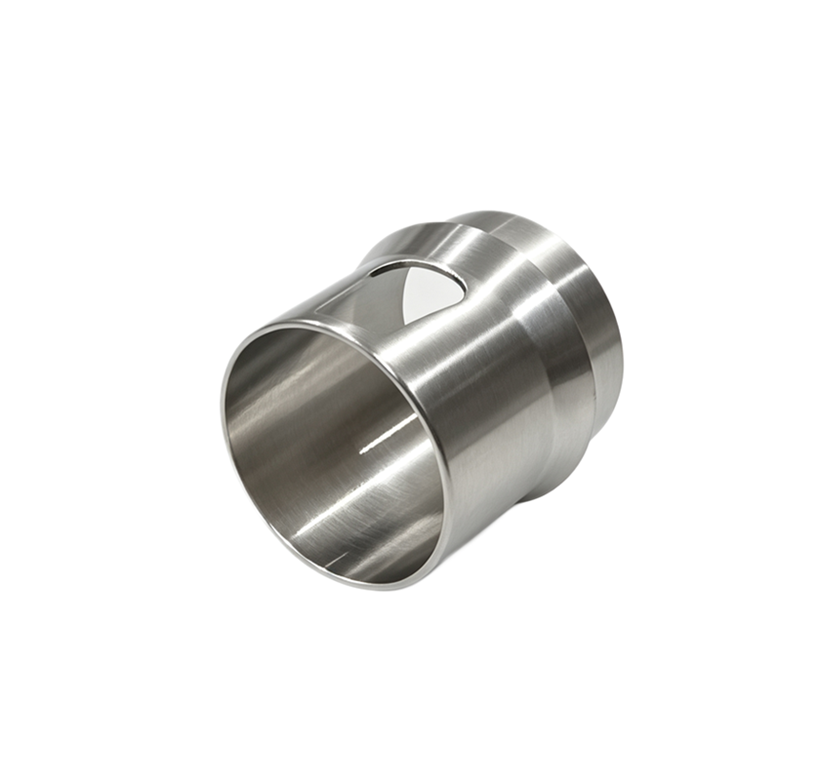
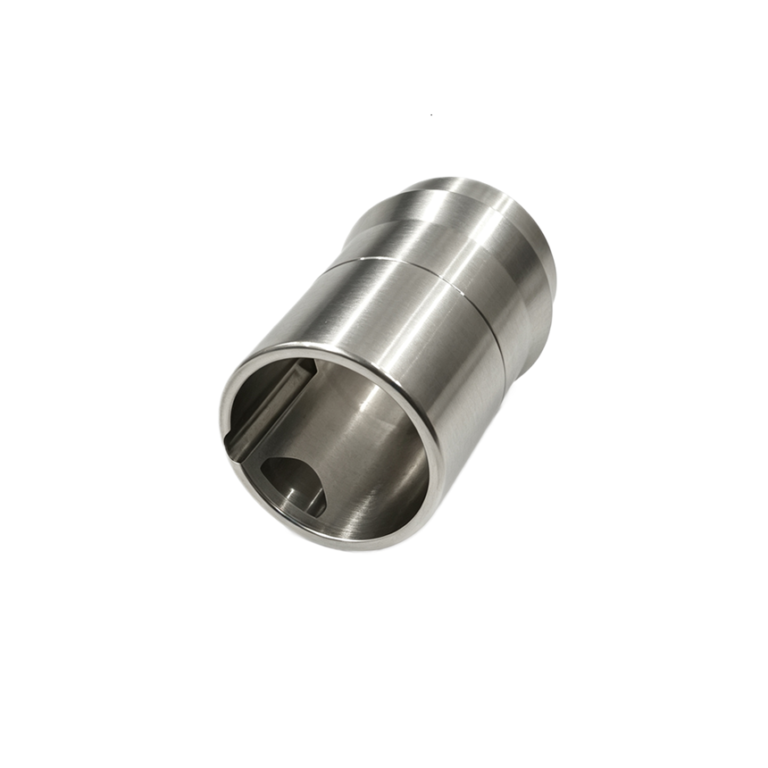
1. Requirement Definition & Feasibility Evaluation
Before machining, we check the functional role and important characteristics of the output shaft. The dimensions, if out of tolerance, would cause pump failure? Which parameters affect noise and service life? The output of this stage is a quantifiable, verifiable requirement specification, not a vague verbal agreement.
2. Drawing Design and DFM Review
A drawing is not good just because it looks correct. We conduct a Design for Manufacturing (DFM) review. Can the structure be stably machined on the production line? Is the tolerance too tight? Will clamping cause deformation? Are there unnecessary high requirements that are difficult to machine? We also identify potential failure risks and set preventive actions before the drawing is frozen.
3. Prototyping and Design Verification
As prototyping we produce samples using the same material and process as mass production, then perform dimensional inspection, assembly verification, rotation testing, noise evaluation, and durability testing. If problems appearance, we analyze the reason, adjust the design, and re-verify. Only when the design is proven feasible do we move to the next stage.
4. Trial Production and Process Capability Verification
A good design does not mean the production line can make it consistently. At this stage, we use formal mass-production tooling, equipment, and cycle time to run a small batch trial. We verify process capability (Cpk/Ppk), measurement system reliability, first article inspection, and potential deviations in manufacturing. The core of this step is to prove the process is stable with data, not to say “it should be fine” by feeling.
5. Sample Freeze and Mass Production Transfer
After trial production verification, the drawing, material, process, and inspection standards are all frozen, forming a formal production control plan. Then mass production begins, executing the production control plan and continuously monitoring critical dimensions. Any change in material, process, or supplier goes through an Engineering Change Notice (ECN) process and is re-verified. The meaning of sample freeze is that every shaft afterward has a standard to follow, instead of relying on an experienced operator to adjust the machine every time.
Custom Shaft Project Execution
Technical staff are involved throughout. Design not verified, no trial production. Process capability not qualified, no mass production. We also support small batch trial production before scaling up.
For custom projects, what customers fear most is not high price, but uncontrollable lead time, unstable quality, and no one to turn to when problems arise. Our professionalism shows in three aspects:
First, technical staff are involved throughout. From requirement evaluation, drawing design, prototype improvement to trial production verification, technical staff directly handle technical issues. There is no disconnection between sales and engineering.
Second, the process has milestones and release gates. Each stage has clear deliverables and verification standards. No skipping steps, no “let’s do it first and talk later.”
Third, there is a transition from small batch to mass production. We support small batch trial production, allowing customers to validate the complete product solution at lower cost, and scale up after confirmation. This avoids pushing a large order at once and putting all the risk on the customer.
Who Needs a Custom CNC Output Shaft
Smart bubble bath devices, micro pumps, small appliance transmission modules, and any case where standard shafts cannot meet assembly or performance requirements.
If you only need a standard shaft, there are many choices in the market. But if you need a custom output shaft that can be assembled, runs stably, and stays consistent in mass production, then process and professionalism are what truly make the difference.
Typical situations where a custom CNC output shaft is needed:
- New product development for smart bubble bath devices or micro pumps
- Existing output shaft is unstable, noisy, or wears too fast
- Standard parts cannot meet assembly or performance requirements
- Need a supplier who can support from drawing to small batch and mass production
- Want technical staff involved in R&D improvement, not just build-to-print machining
Frequently Asked Questions
Q: Can you produce from a sample without a drawing?
A: Yes. We check and measure the sample , reverse engineer the drawing, and confirm key dimensions then double check with customer before machining.
Q: What is the MOQ?
A: We support trial order and special custom products. The minium quantity depends on the product structure and specification data. We can discuss it .
Q: How do you control quality during mass production?
A: We make a production control plan, monitor critical dimensions with SPC, and maintain Cpk above 1.33. Any change goes through the ECN process.
Q: What materials can you production?
A: Stainless steel, aviation aluminum, alloy steel, carbon steel, brass.
Q: How long will take in new project?
A: It depends on the different products. Prototyping is usually faster, while trial production and mass production need check and evaluate.
Conclusion
A custom CNC output shaft affects noise, life, and user experience. With custom capability and a standardized process, we turn your drawing or sample into a stable, mass-producible product.
If you are developing a smart bubble bath device or similar pump product and need a custom output shaft, feel free to reach out with your drawing, sample, or idea. We can start from technical evaluation and turn it into a mass-producible product, step by step.