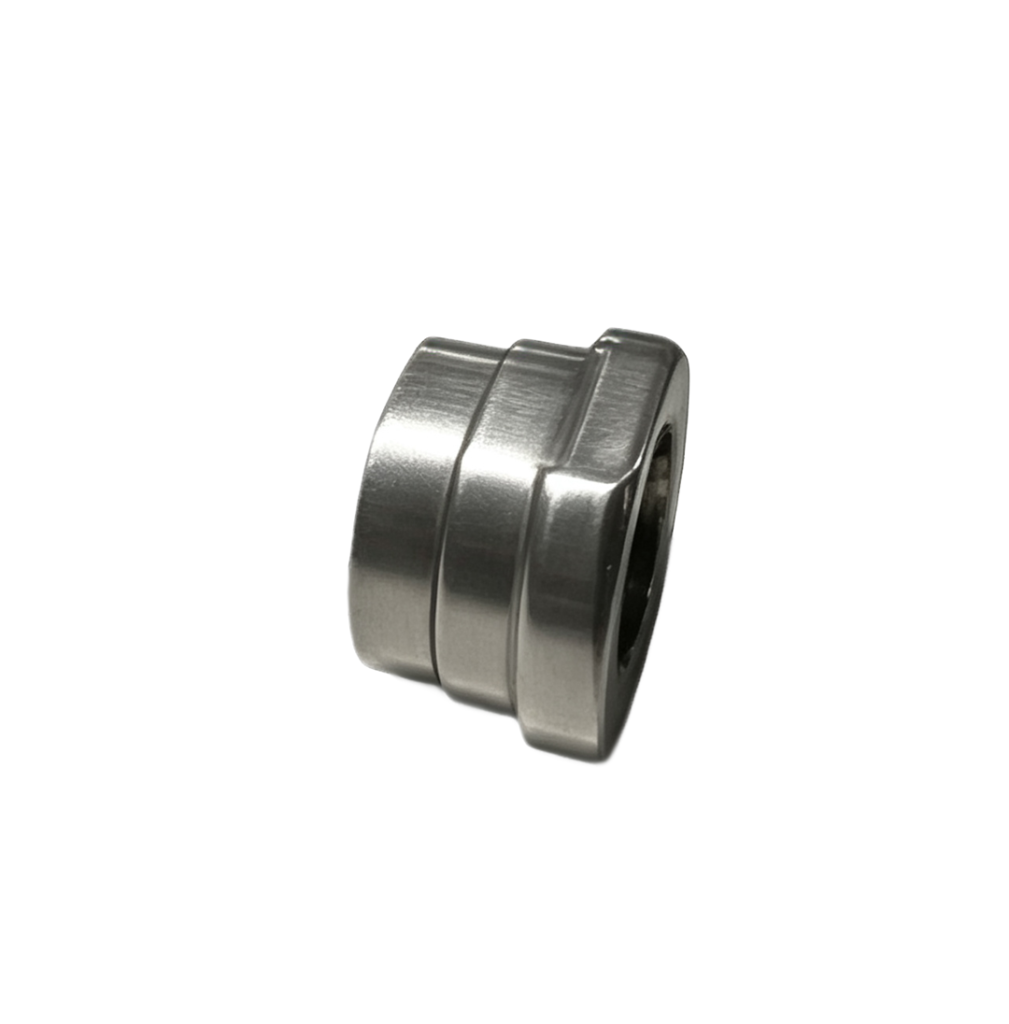
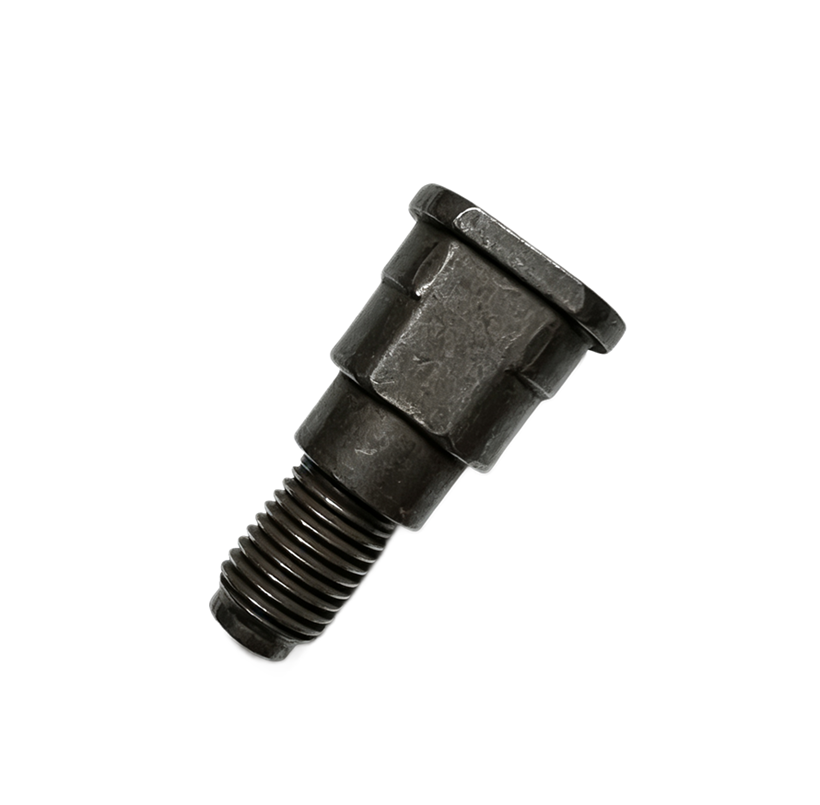
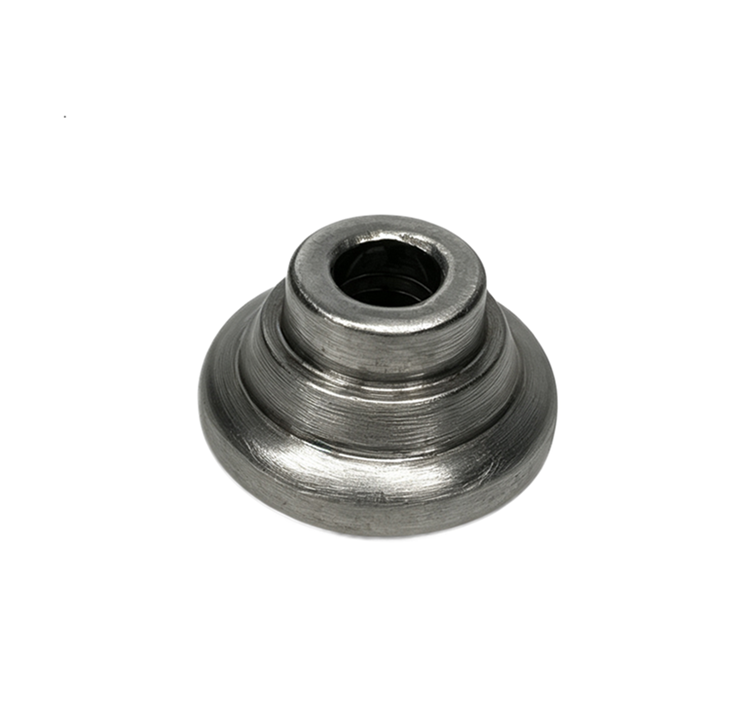
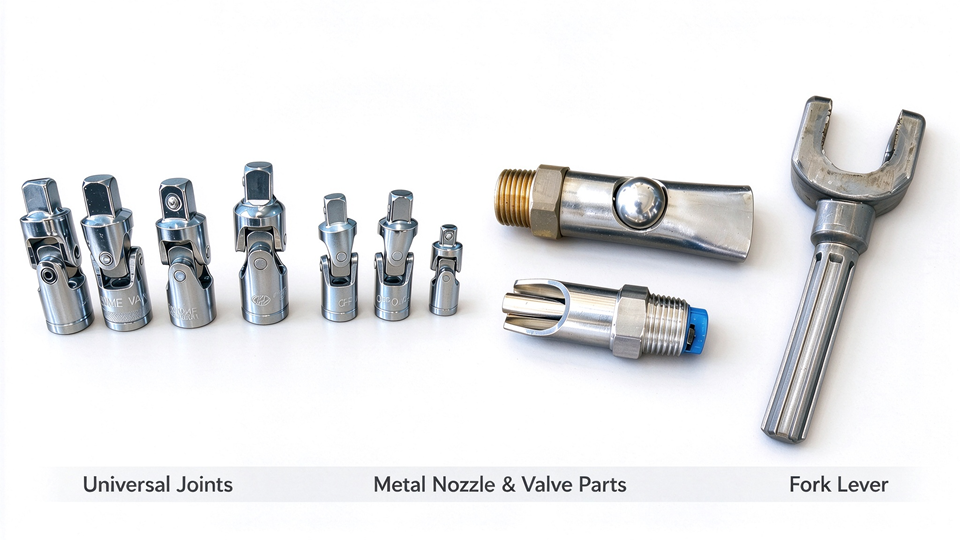
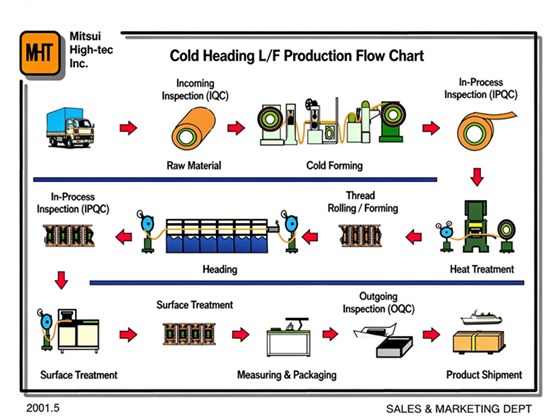
Cracking in cold forging usually comes from a mix of material, tooling, and process. Here’s what we discovered in daily production .
Material
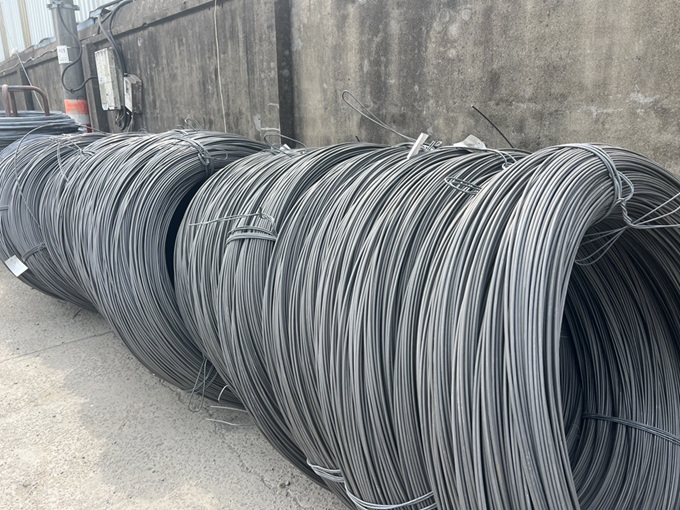
Check incoming wire hardness first. If it’s too hard or the anneal was off, it will crack no matter what. Look for seams, scratches, and scale — these become stress risers and open up during deformation. Reject bad lots early. Also confirm the spheroidize anneal was done properly; a bad microstructure means the metal won’t flow, it will tear.
Tooling
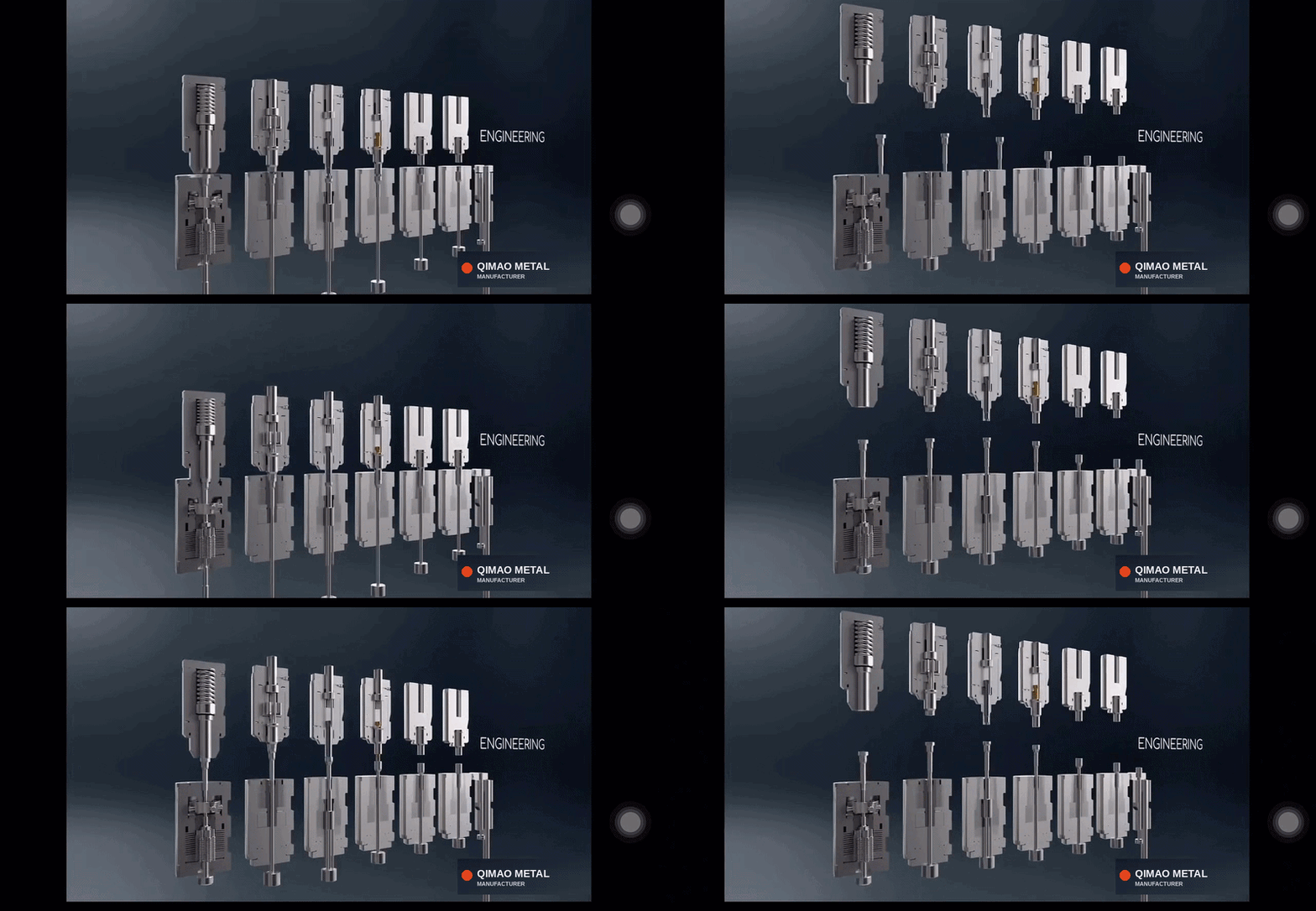
Sharp corners and tight radii are where cracks start. Give the metal a smooth path. Increase radii, taper transitions, and polish the die where material moves most. Coating helps reduce friction. Keep vent holes clean so trapped air doesn’t cause defects. Check punch and die clearance — too tight or too loose both cause problems.
Process
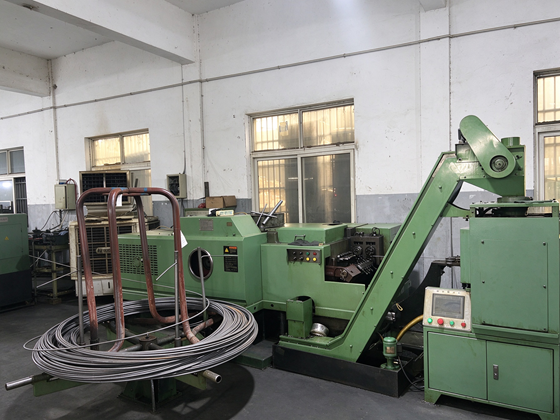
Watch reduction ratio — too much in one hit causes cracking. Break it into stages. Lubrication matters: too little means friction and surface cracks, too much causes slipping. Keep speed stable; running fast generates heat and work-hardening. Check die alignment when mold setup, to ensure smooth, stable process. If the press is running hot, give it time to stabilize before pushing speed.
Detection
Inspect the first few parts closely. Look for hairline cracks at edges and corners. If you see them, stop and adjust — more lube, bigger radius, slower stroke. Check parts again after any tooling change. Keep records of what works. Over time you build a feel for the right setup.
Get the variables right and the parts flow. That’s our job. ———–From Qimao Metal Manufacturer