
Product Description:
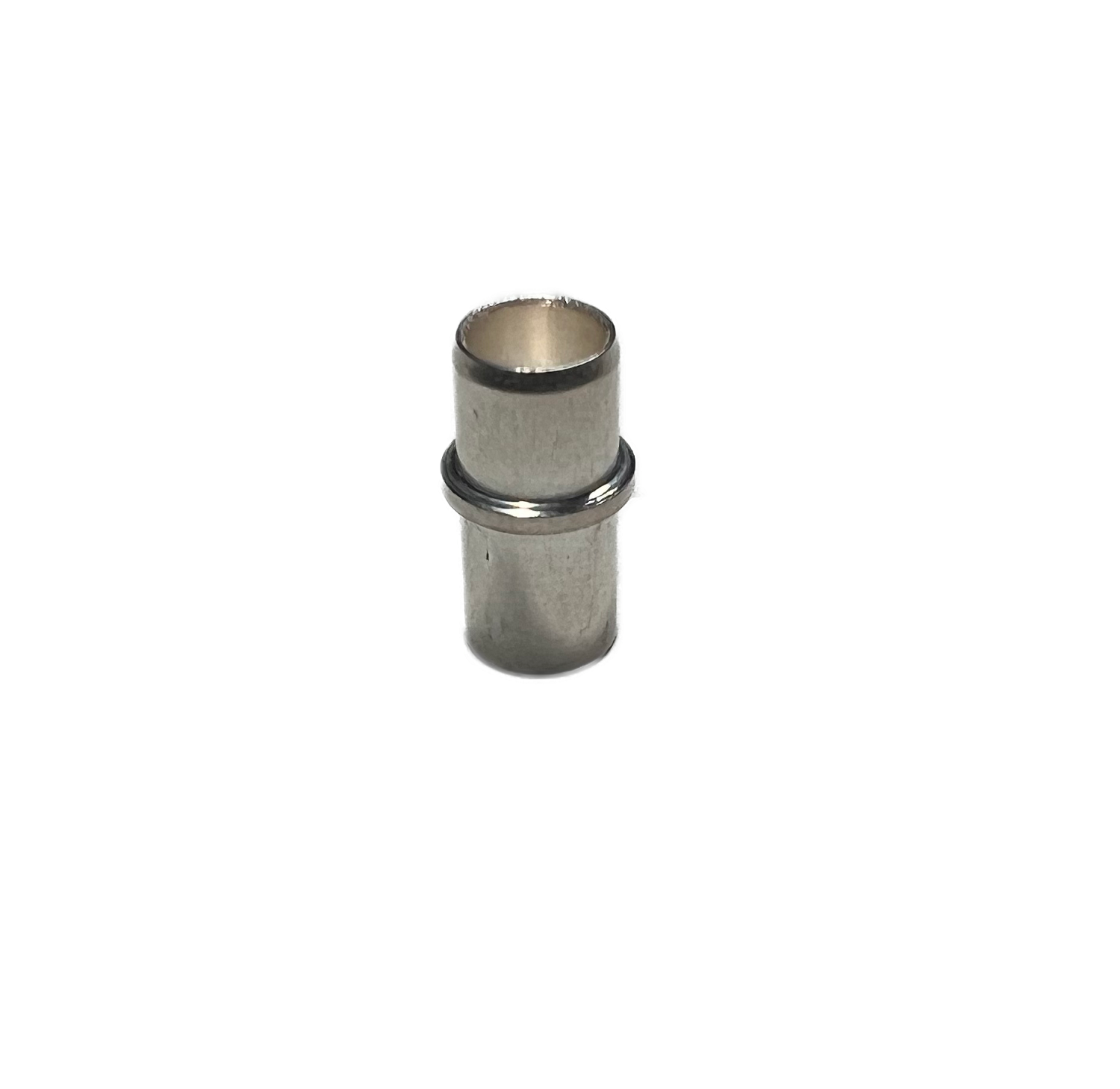
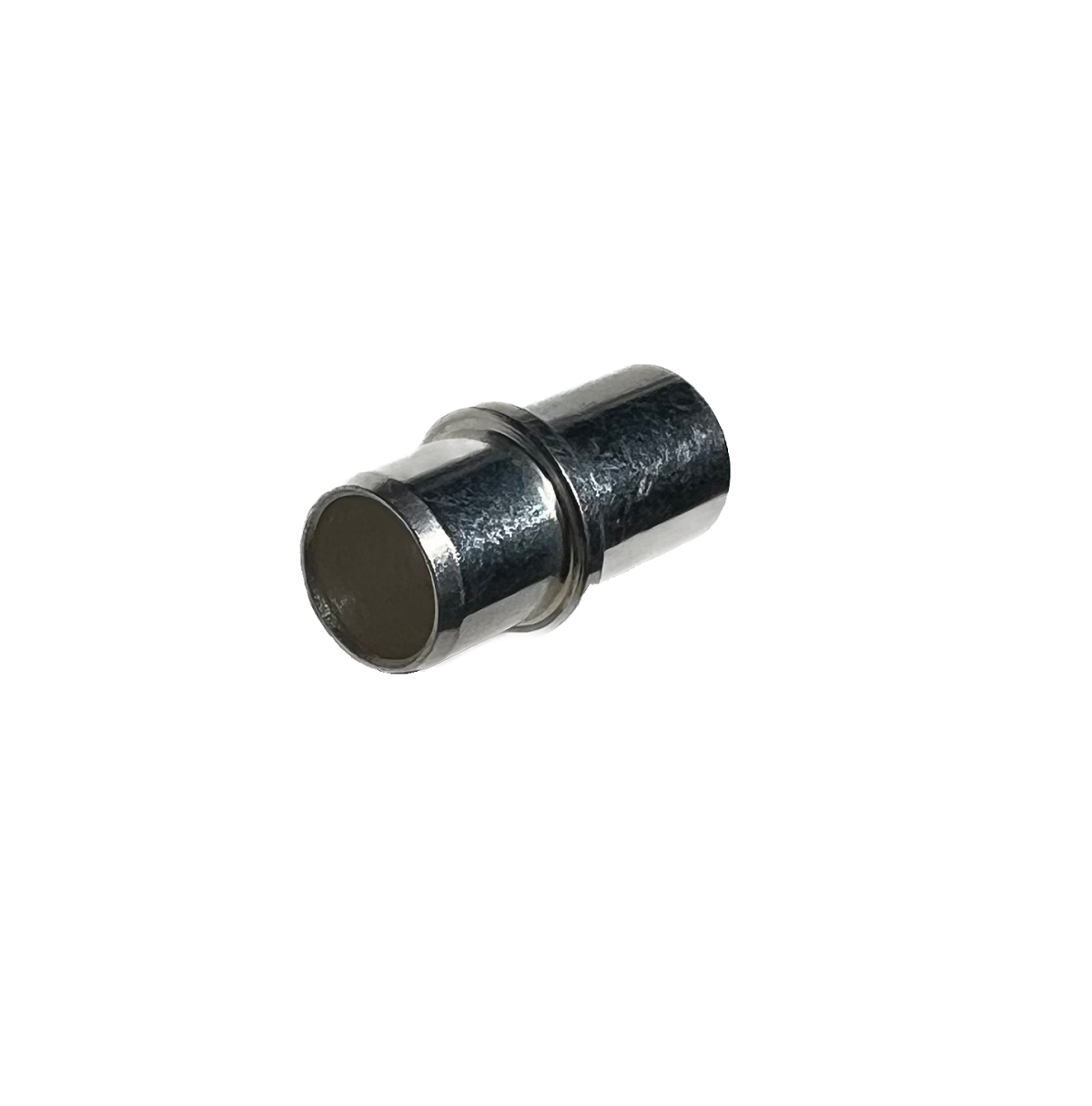
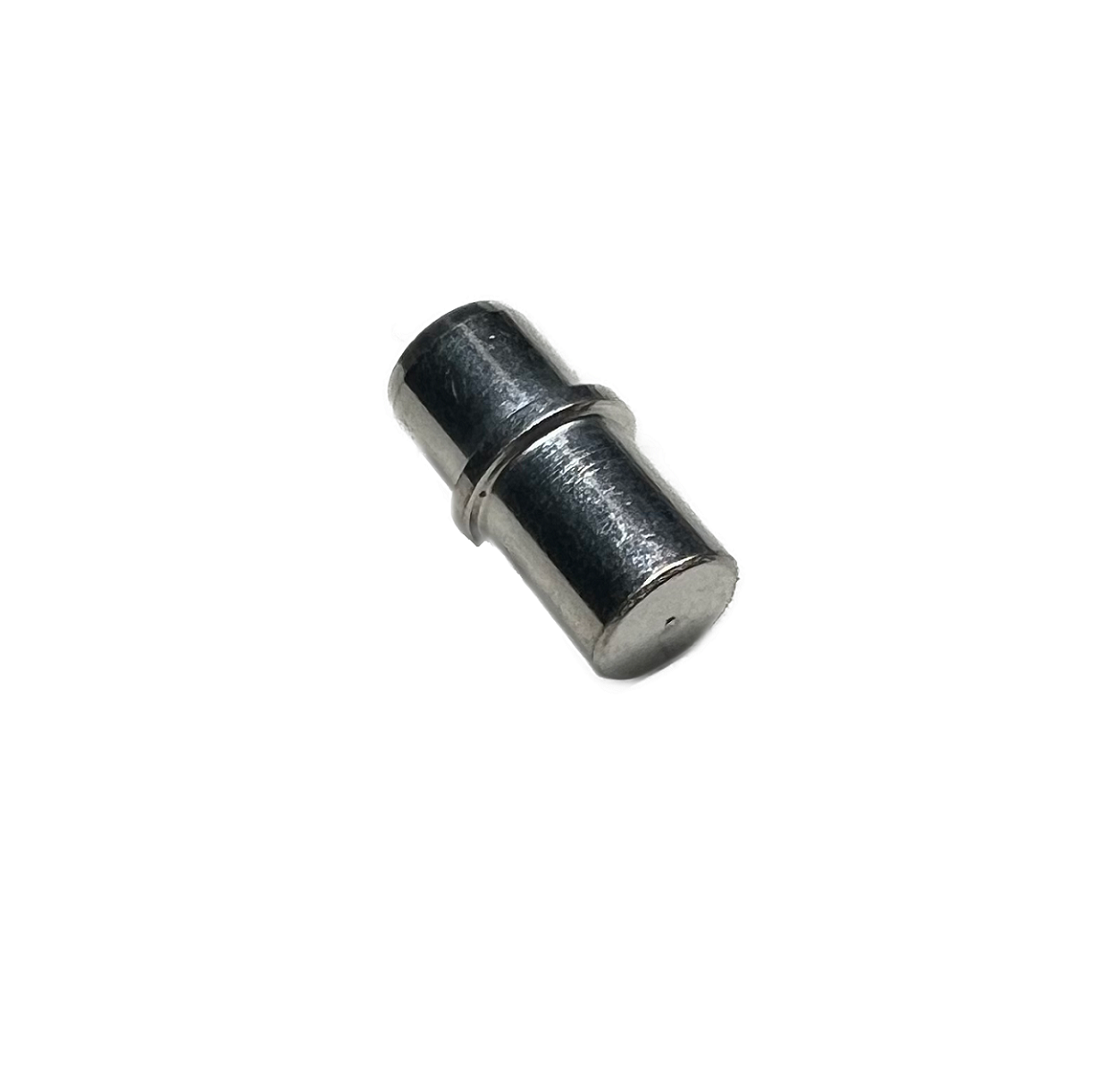
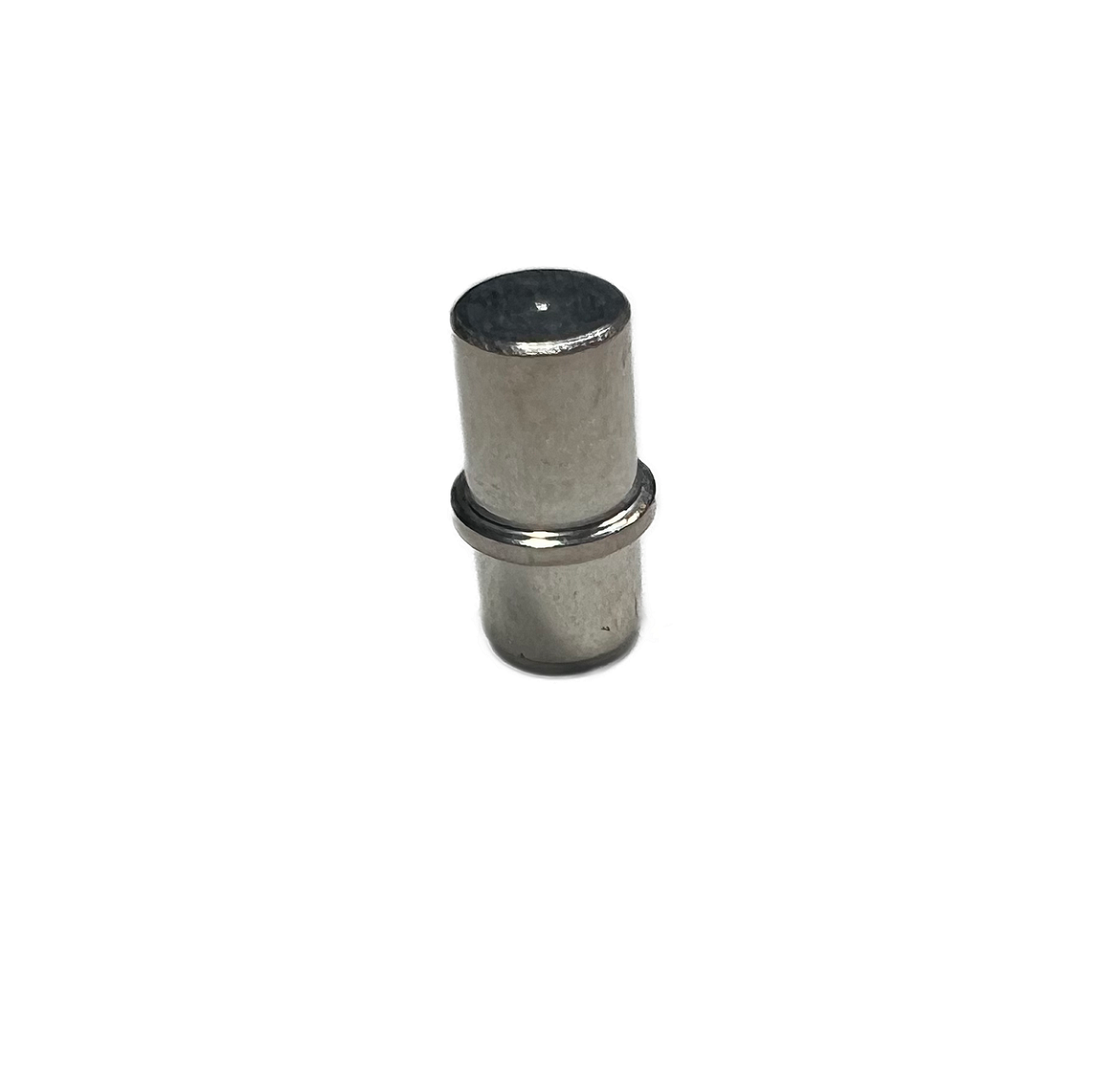
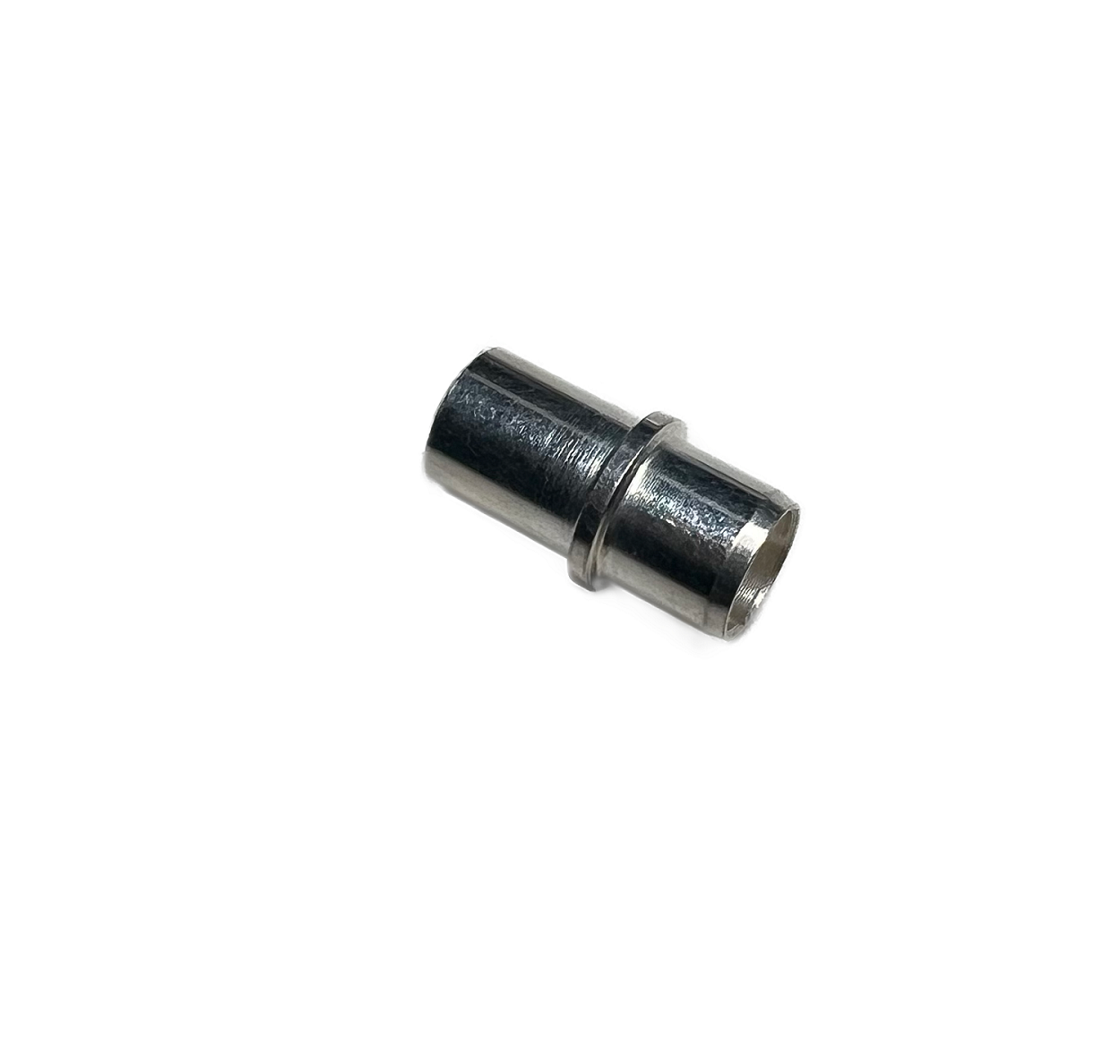
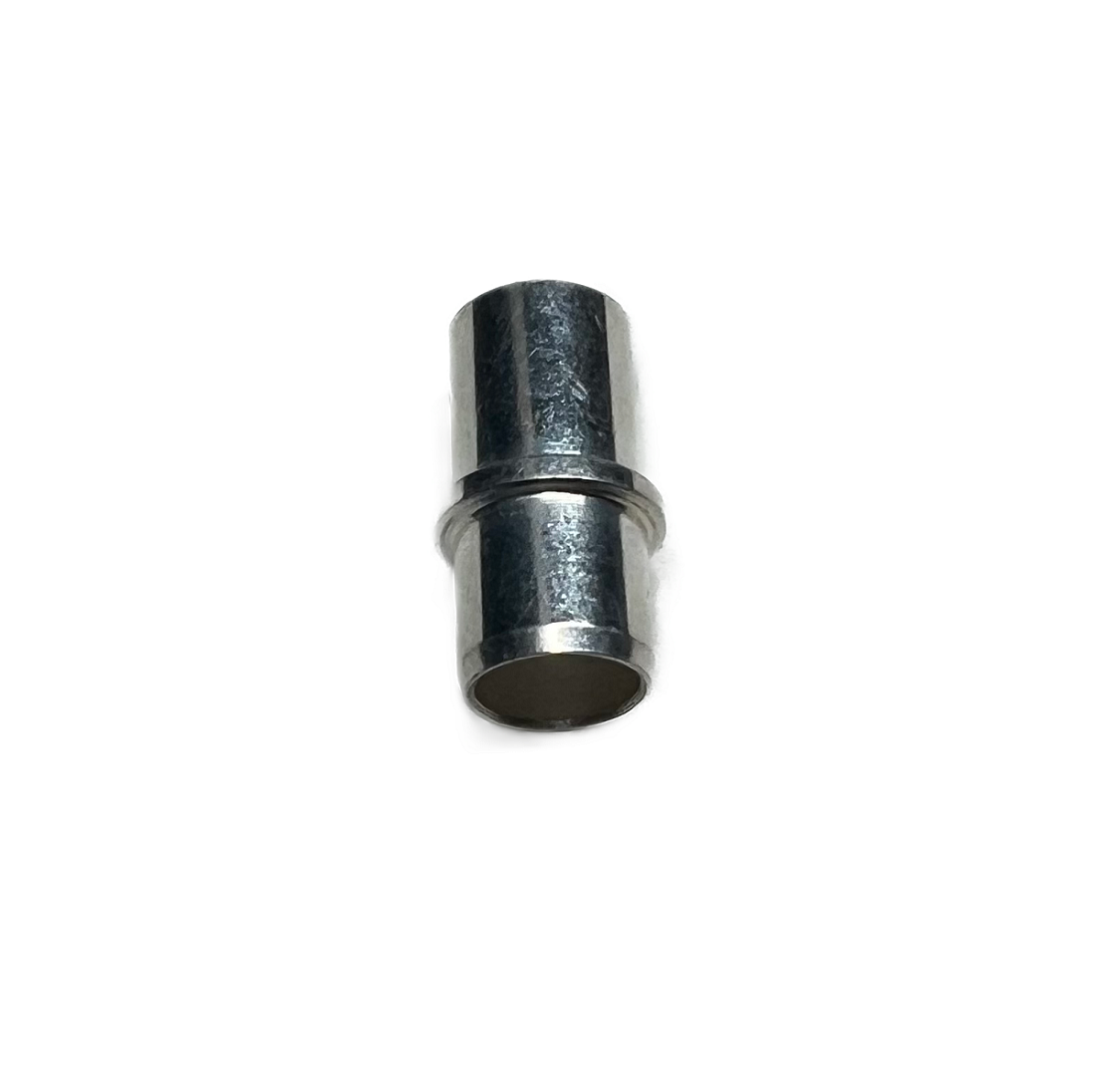
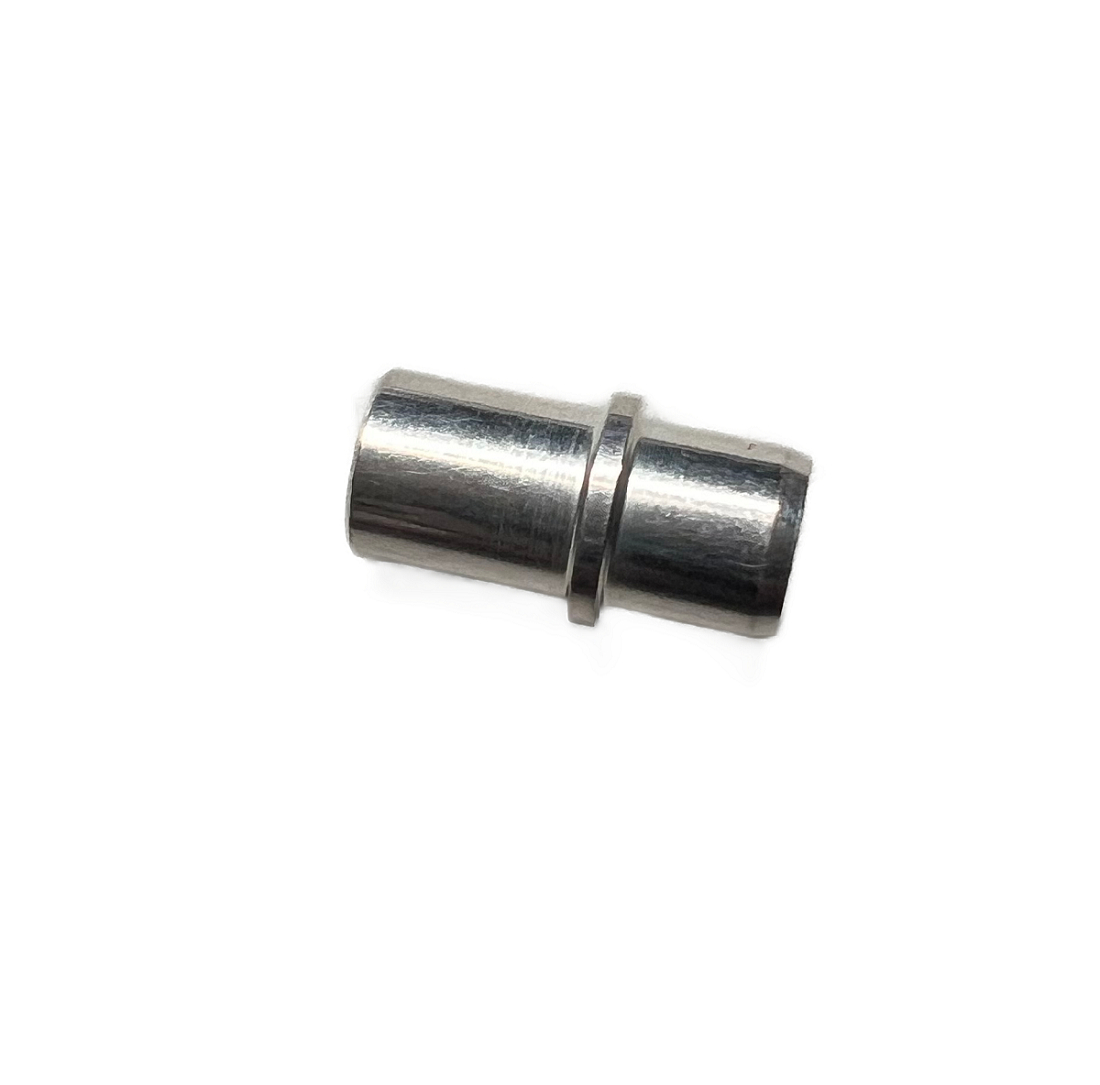
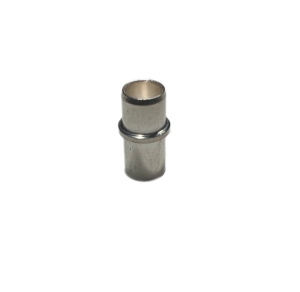
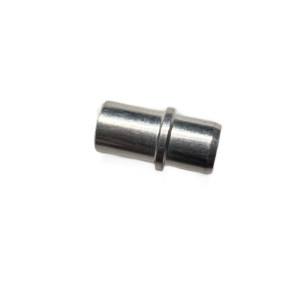
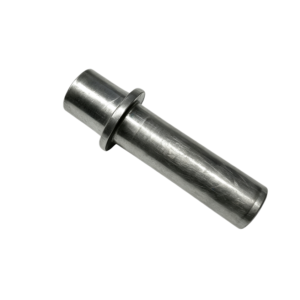
Qimao Metal Manufacturer received feedback from customer a few years back. Their Shoulder Bushing for Horn Switch was sticking around 30,000 cycles, which isn’t great. We pulled some samples. The bushing didn’t have a flange—just a straight sleeve. So when their assembly guys pressed it in, depth varied from one unit to the next. Sometimes the plunger wasn’t sitting square, sometimes the bushing was too deep. Either way, wear was uneven and it would bind up. We recommended a flange design—press until the flange bottoms out, done. Also switched them to C93200 bronze, SAE 660 grade. The lead content acts as a dry lubricant. Since then, we’ve sold this to maybe six or seven other companies. Standard bores are 5mm to 12mm but we’ve done odd sizes too. The machining side is interesting. Push the feed rate too high and the surface tears instead of shearing clean.
Specification:
| Product Name: | Item No.: | Material: | Measurement(mm): | Surface Finish: | Weight(g): | ||
| L: | W: | Dia: | |||||
| Shoulder Bushing for Horn Switch | QM1107 | Steel | 12.82 | / | 7/5.78 | Electro-Galvanized | 1.14 |
Products Details:
We’re using low-carbon steel for these Shoulder Bushing for Horn Switch, with a zinc electroplating finish. The plating gives you corrosion resistance and a consistent surface hardness without affecting the dimensional tolerance. In a horn switch, you don’t want bare steel because corrosion can cause sticking over time, especially in humid environments. The zinc coating is thin enough that it doesn’t change the press-fit characteristics. We machine the parts from cold-drawn bar stock on CNC lathes, doing the OD, bore, and flange face in one setup. That keeps everything concentric—if the bore is off-center relative to the OD, you get uneven wall thickness and the plunger doesn’t ride square. We hold concentricity to about 0.001″ total runout. Bore finish is typically 32 μin Ra. Surface finish matters because any roughness can affect how smoothly the plunger moves. Plating adhesion is critical—we’ve dialed in the cleaning and pretreatment process to avoid flaking or blistering.
Product Feature:
-
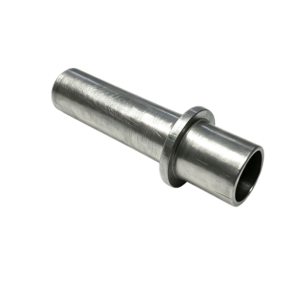
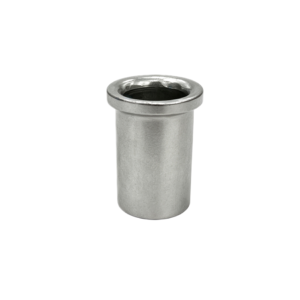
The Shoulder Bushing for Horn Switch acts as a depth stop. Push the bushing in until the flange touches the housing face and you’re done—no measuring, no gauging.
-
Leaded bronze material gives you self-lubricating performance. The bushing doesn’t need grease or oil, which means no dust attraction or contamination issues inside the switch assembly.
-
We machine the bore, OD, and flange in one chucking. That eliminates concentricity errors and keeps wall thickness consistent around the circumference.
-
Surface finish on the bore is 32 μin Ra. We’ve tested smoother finishes and found they don’t improve performance enough to justify the extra machining time.
-
The flange face is square to the bore within 0.0005″ per inch. That keeps the spring or actuator load evenly distributed on the bushing, so you don’t get uneven wear.
-
Standard and custom sizes available. We’ve got tooling set up for most common diameters, so even custom orders don’t take forever to run.
Product Application:
-
Main application is horn switch assemblies. The Shoulder Bushing for Horn Switch supports the plunger or contact shaft, keeps it aligned, and provides a bearing surface that doesn’t gall or wear quickly.
-
Also used in other automotive push-button switches—window controls, door locks, steering column stalks. Anywhere you need a plunger to slide back and forth without binding.
-
We’ve had a couple of customers use these in relay assemblies where a core needs to move freely but stay centered, and the flange works as a travel stop.
-
Aftermarket horn kits sometimes use our bushings as replacement parts when the original bushing wears out. The flange design makes field installation easier because technicians don’t have to set depth.
-
Occasionally used in HVAC panel controls where the feel needs to stay consistent regardless of temperature changes.
Reviews
There are no reviews yet.