
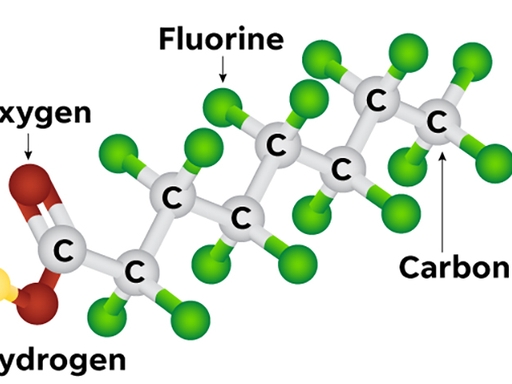
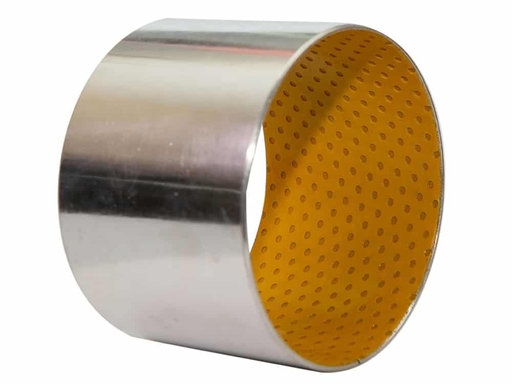
The shift toward PFAS‑free self‑lubricating composite bushings is no longer a lab concept, but a real, fast‑moving industry transition in 2026. Major bearing material suppliers igus and CSB have rolled out their PFAS‑free alternatives to traditional DU bushings, namely iglidur JPF/GPF and CSB‑26 series. Instead of PTFE, these new grades adopt polyamide‑based solid lubricant layers bonded on steel‑bronze backing. From Qimao Metal Manufacturer bench test data, their friction coefficient and load capacity match conventional DU/DX bushings closely which removes the biggest barrier for engineers to switch material platforms.
This change is driven mainly by EU chemical regulations. More and more European customers, including makers of energy storage water pumps, solar trackers and agricultural machinery, now clearly mark “PFAS‑free bushing” directly on drawing notes. For new projects launched in EU, many design teams are phasing out classic DU/DX with PFAS ingredients. We have noticed this signal from incoming RFQs in recent months; buyers are not just asking for material certificates, they require full PFAS test reports for compliance review.
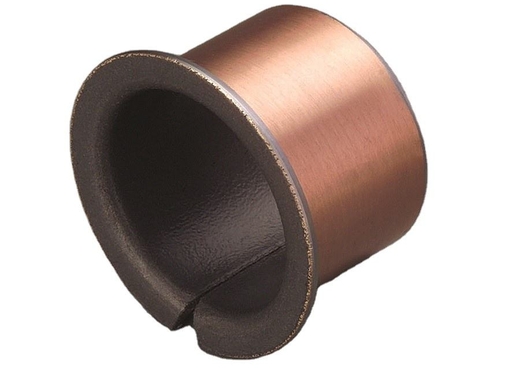
Qimao Metal Manufacturer as a Chinese manufacturer supplying bushings, shafts, fasteners and custom OEM/ODM metal components, we are adjusting our material library and production workflow to keep up. For composite sleeve bearing orders targeting Europe, we now offer two parallel material options: the established DU grade for legacy replacement orders, and the new PFAS‑free steel bronze polymer bushing for new development projects. Our engineering team has run validation on pressing tolerance, surface bonding strength and wear performance, to avoid unexpected field failure after material swap.
This trend also affects our Qimao Metal Manufacturer whole custom metal component business. Many customers who buy pins, stepped shafts and stamped assemblies together with bushings start to ask whether the full bill of materials is PFAS‑free. It pushes us to work closer with raw material vendors and set up stricter incoming material screening.
We believe this is not a short‑lived compliance tweak. EU restriction on PFAS will expand gradually across industrial sliding parts. Factories that lock in qualified PFAS‑free bushing solutions early will gain an edge in solar, energy storage and agricultural machinery markets. We keep samples ready for customer qualification and welcome drawing‑based customisation for PFAS‑free composite bushing projects.