
Product Content:
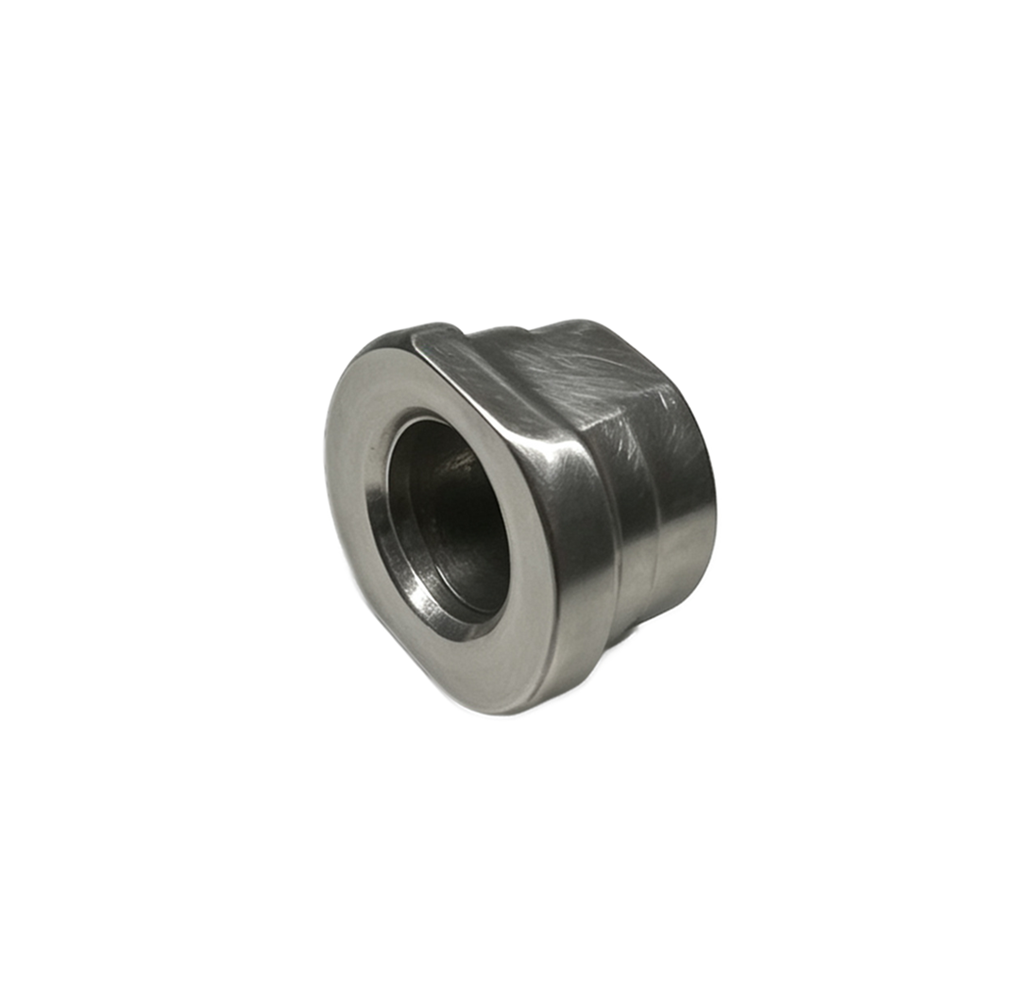
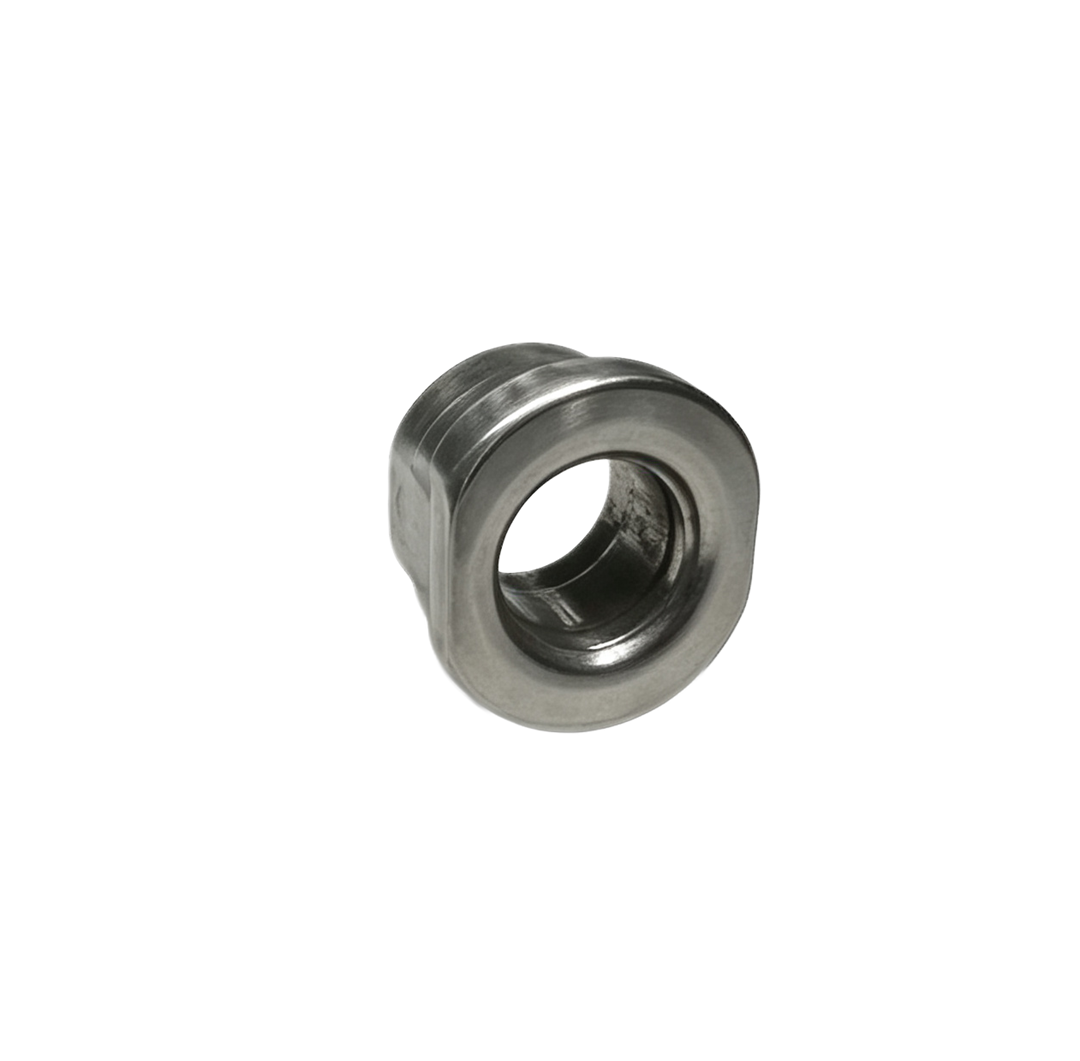
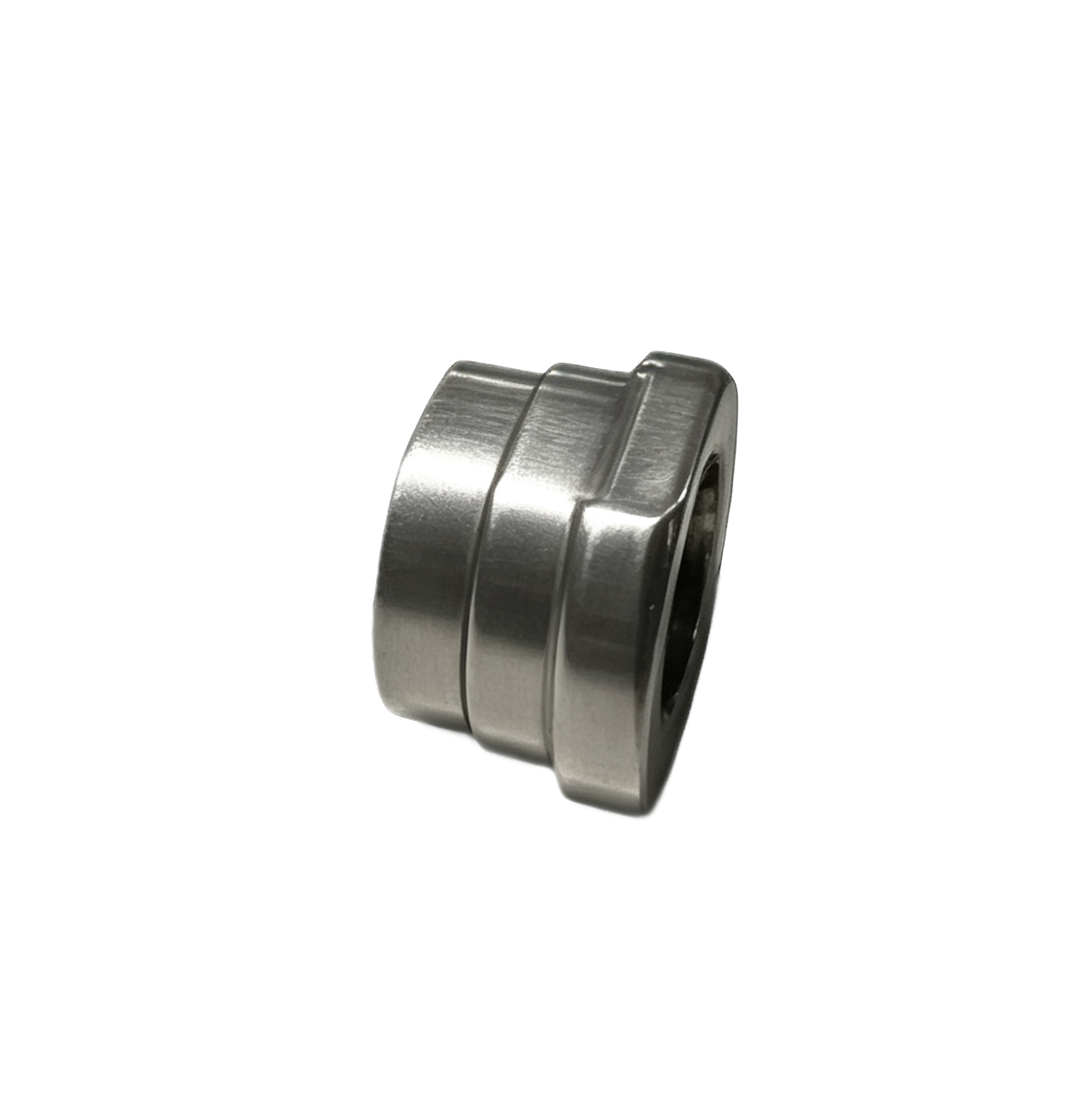
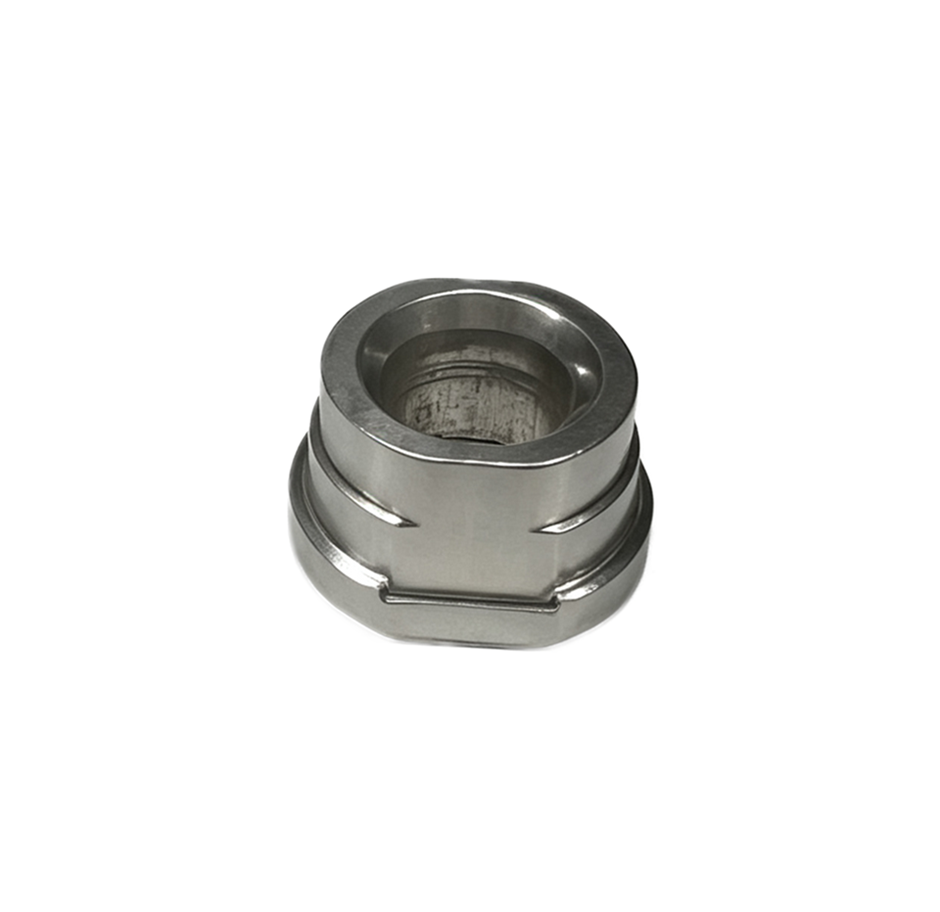
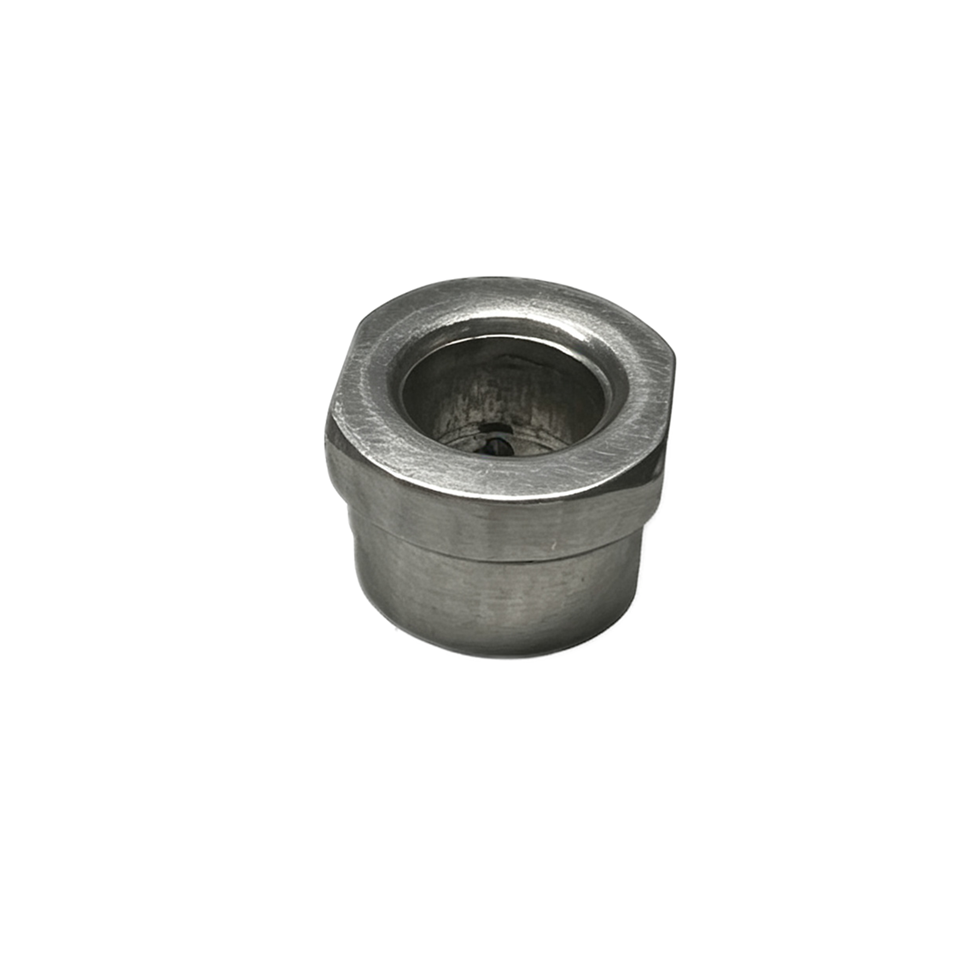
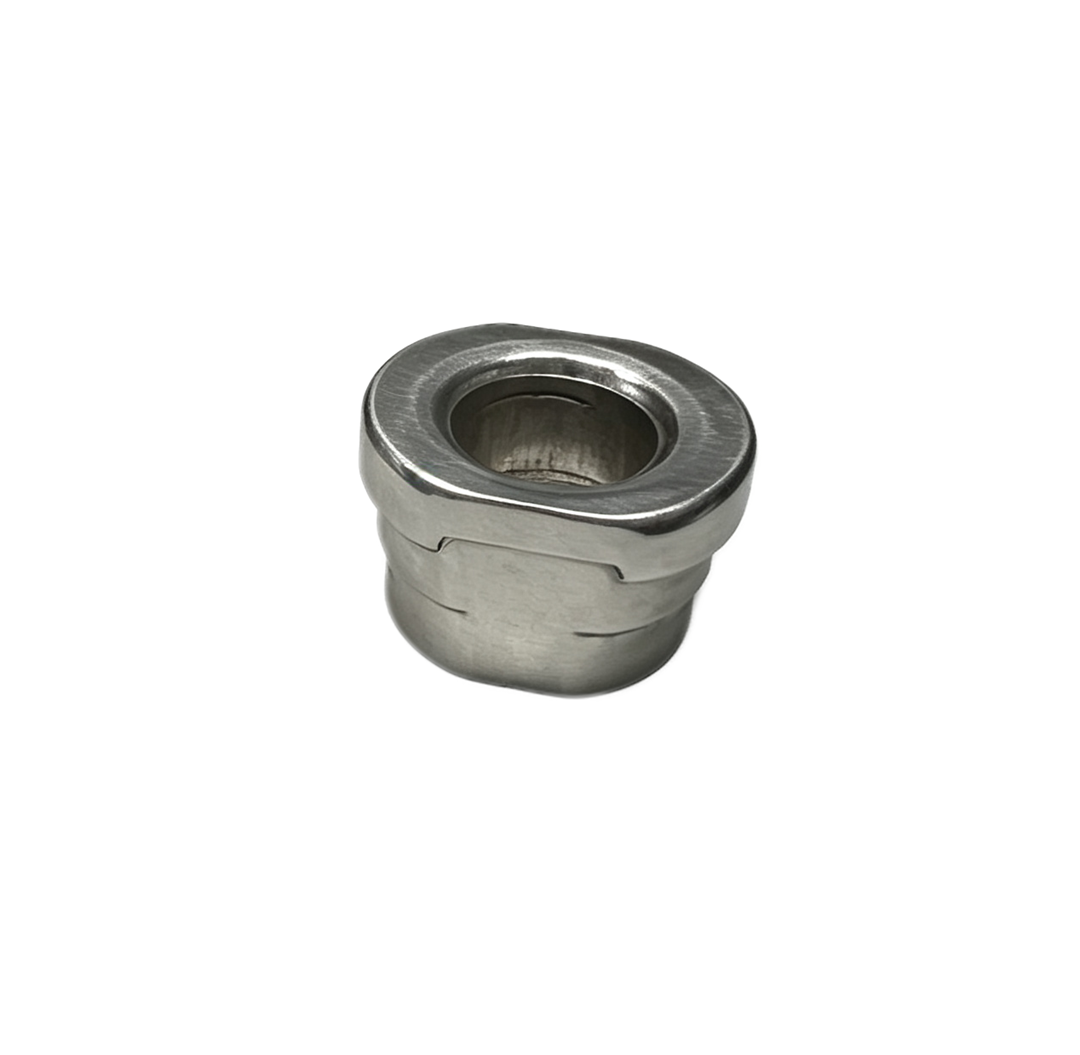
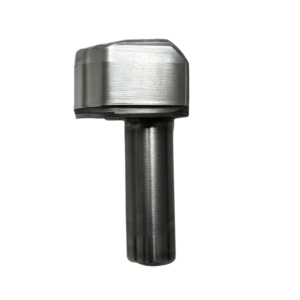
This Cold Heading Two Flats Stepped Hollow Shaft Manufacturer from Qimao Metal Manufacturer is a stepped shaft with a hollow core and two flats on the outside diameter. The flats are produced in the heading tool, not added on a mill later. That keeps the grain structure continuous around the flat area, which matters if your application sees cyclic loading. Wall thickness runs about 0.7 to 1.0mm depending on the OD. We typically do three diameter steps, but that can vary. The hollow center gets formed during the heading cycle, so there’s no secondary drilling operation and no material waste from boring bar stock. The flats give you a drive surface that doesn’t rely on set screws or keyways—both of which introduce stress concentrations and assembly variability. These come off our presses as blanks. You do your own bore sizing, threading, hardening. We supply them that way because every customer’s finishing requirements are different.
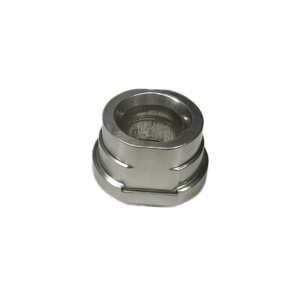
Product Specification:
| Product Name: | Item No.: | Material: | Measurement(mm): | Surface Finish: | Weight(g): | ||
| H: | W: | Dia: | |||||
| Cold Heading Two Flats Stepped Hollow Shaft Manufacturer | QM9056 | Steel | 12.06 | / | 20.07/17.05 17.61/15.44 16.37/15.37 Inner dia:10 |
Polish | 14.38 |
Technical Details:
The product Cold Heading Two Flats Stepped Hollow Shaft Manufacturer material options include C10C, 10B21, SCM435, 40Cr, and stainless 304 or 410. OD ranges from 10mm to 35mm, overall length from 30mm to 120mm, though we’ve tooled for sizes outside that range on request. Standard configuration uses three steps. Flats run about 5mm to 10mm wide, depending on the shaft diameter, and are formed symmetrically. As-formed concentricity holds around 0.1mm TIR. Step length tolerances come in at ±0.15mm. Tighter tolerances require secondary operations. Wall thickness and diameter are related—larger ODs allow for more consistent wall thickness. We run these on a dedicated heading line with in-process laser gauging. Parts get degreased and washed after forming. Hardness checks run per batch, with test reports available if your quality system requires them.
Core Advantages:
-
Grain flow stays continuous through the flat area because the flats are formed in the heading die, not cut afterward. Cut flats create stress risers where cracks can start. Formed flats avoid that problem.
-
Hollow construction reduces weight and allows fluid passage without a separate drilling operation.
-
Flat geometry stays consistent across the run. No variation from milling tool wear. Repeatability simplifies your fixturing.
-
Better material utilization than machining from bar. Less scrap, lower cost.
-
Wall thickness runs 0.7mm to 1.0mm depending on OD. Step transitions are radiused to reduce stress. Materials: C10C, 10B21, SCM435, 40Cr, stainless 304/410. Tolerances: concentricity 0.1mm TIR, step lengths ±0.15mm.
Wide Usage:
-
Steering column shafts. Flats provide positive drive engagement with universal joints. Hollow bore enables collapsible designs for crash performance.
-
Power tool spindles. Lighter weight improves ergonomics and high-RPM balance. Flats eliminate set screws that vibrate loose.
-
Feeder rollers in packaging machinery. Hollow center allows air or coolant passage. Flats transfer torque reliably.
-
Pneumatic cylinder rods. Reduced mass improves cycle response and throughput.
-
Gearbox input shafts. Bore serves as oil passage for internal lubrication.
-
Conveyor rollers. Lighter shafts reduce motor load and bearing wear.
- Actuator assemblies. The flats give you a repeatable rotational reference for positioning work.
- Agricultural equipment and medical devices. SCM435 or stainless steel handles the environment—formed surface cleans up well for hygiene-sensitive applications too.
Reviews
There are no reviews yet.