
Product Content:
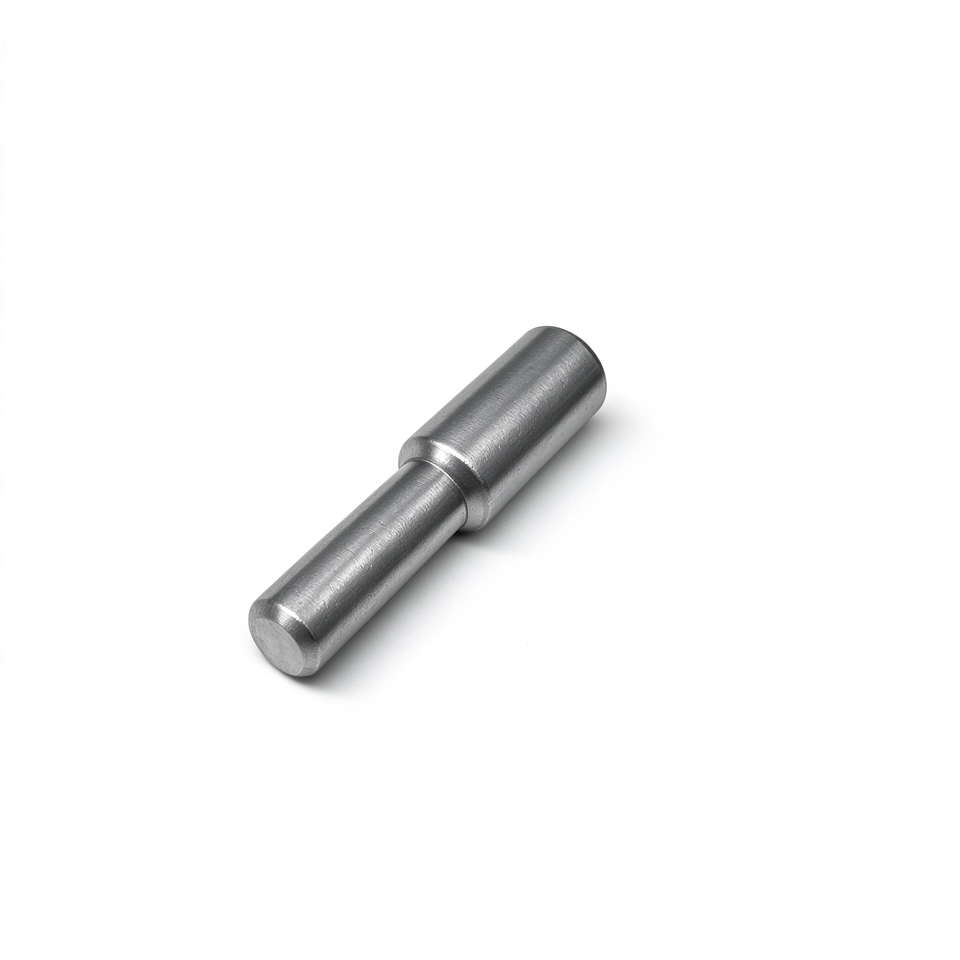
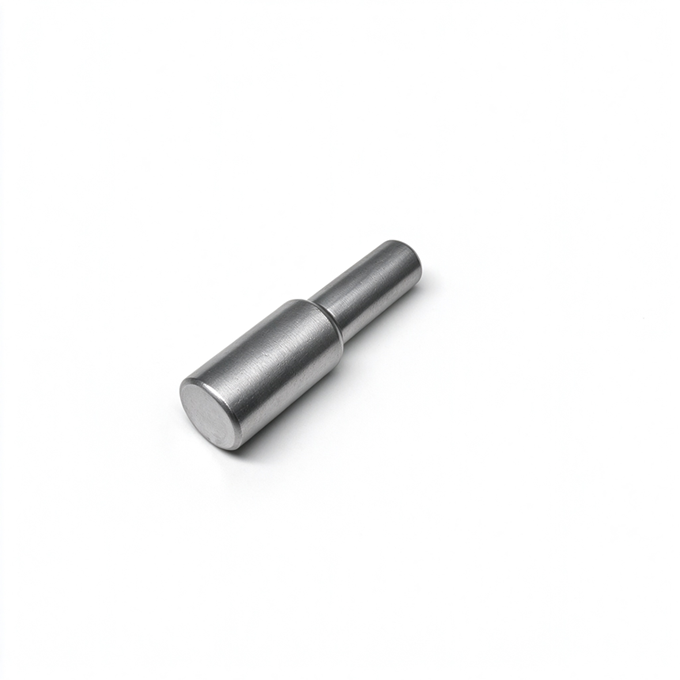
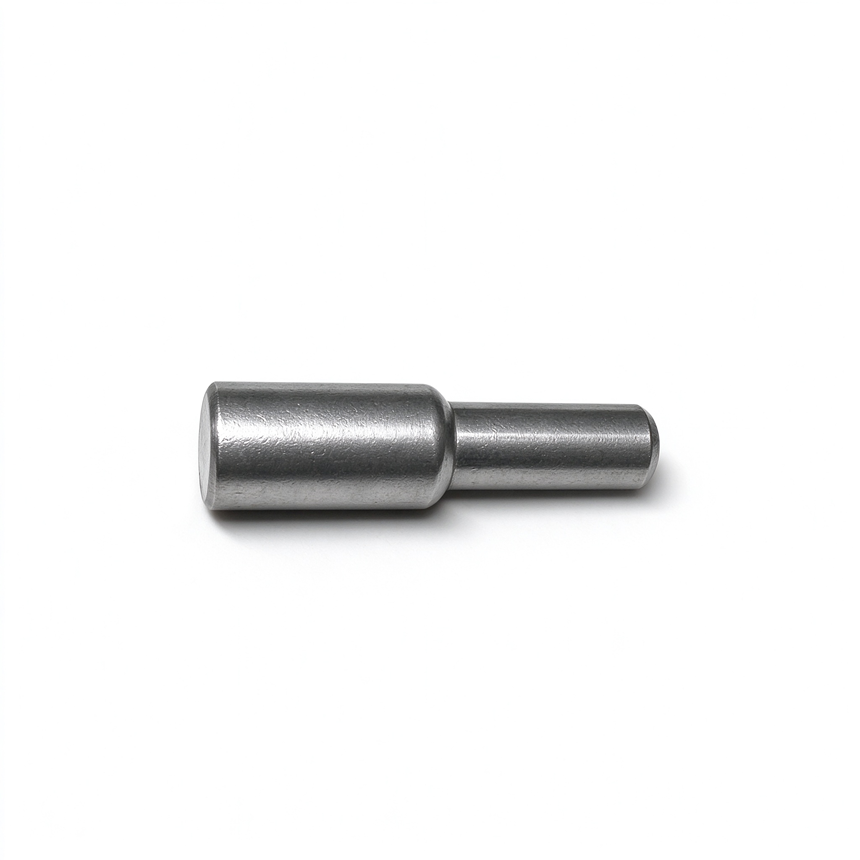
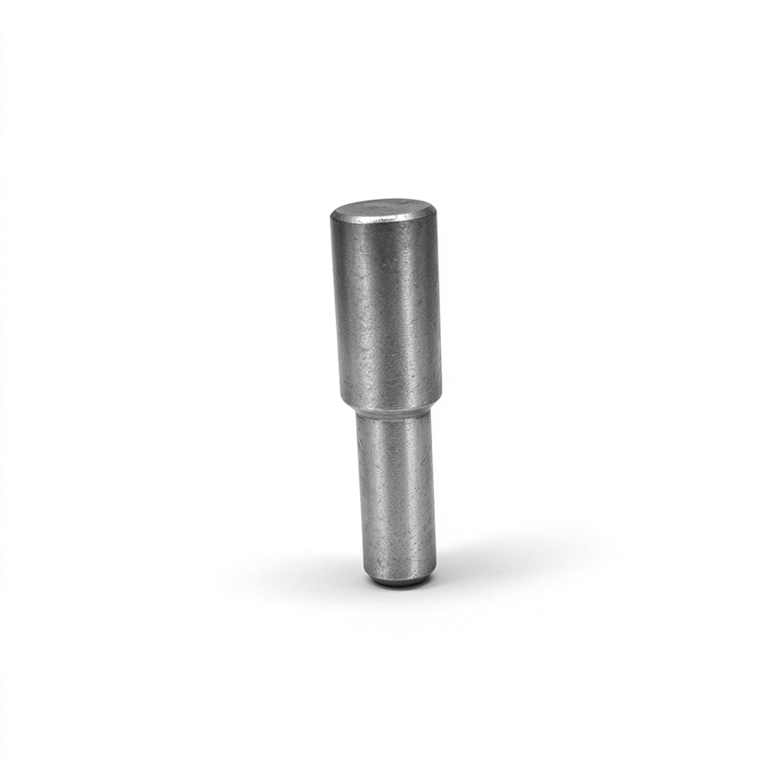
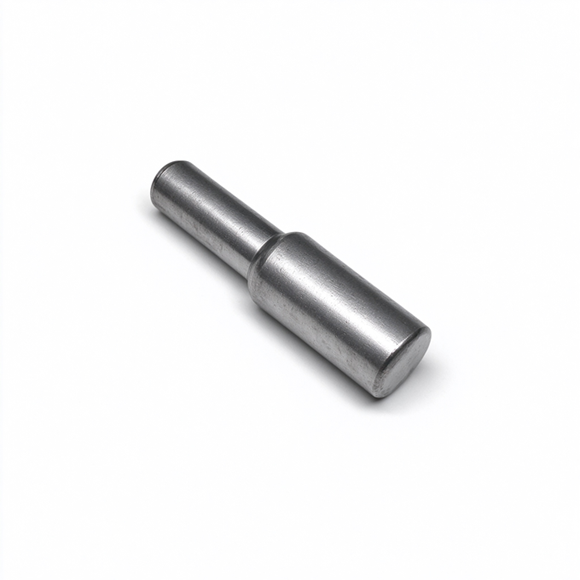
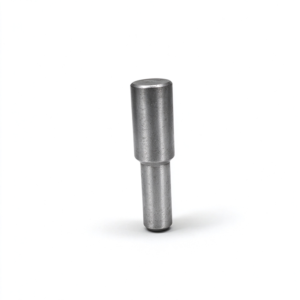
Qimao Metal Manufacturer Stepped Positioning Pin – Dowel Pin for Jig & Fixture | OEM Manufacturer does one job: hold a fixed pin height under clamping load. A straight dowel relies on the bore and a press fit to stay put, but press fits relax and bores wear. Someone reams a bore a few tenths oversize during a repair, presses in a standard dowel, and the pin now sits deeper than the print calls for. A stepped pin avoids that failure mode: the shoulder stops against a machined surface, so the locating diameter protrudes by a known amount every time. If the pin sinks even a few hundredths, the workpiece sits low and the datum moves. I have seen fixtures scrapped because someone substituted a standard dowel for a stepped pin and called it equivalent.


Product Specification:
| Product Name: | Item No.: | Material: | Measurement(mm): | Surface Finish: | Weight(g): | ||
| L: | W: | D: | |||||
|
Stepped Positioning Pin – Dowel Pin for Jig & Fixture | OEM Manufacturer |
QM3014 | 38.35 | / | 10*7.1 | Polish | 16.89 | |
Product Details:
The Stepped Positioning Pin – Dowel Pin for Jig & Fixture | OEM Manufacturer is machined from bar stock, not modified from a catalog dowel, because the shoulder and locating diameter must stay concentric and square after the step is cut. SUJ2 bearing steel is standard for high-cycle workholding, hardened to HRC 53–58 and ground after heat treatment so hardness does not cost dimensional accuracy. SUS440C suits corrosion plus hardness; 303/304 stainless fits clean or wash-down environments, though softer and shorter-wearing. The locating diameter is ground to drawing, ±0.005 mm routine, tighter on request. Shank fit is g6 clearance for replaceable pins, m6 interference for permanent installation. The shoulder is ground square to the axis and controls shoulder-to-nose distance, the dimension that sets workpiece height. Press-fit is rigid; threaded allows in-situ replacement without risking the bore. Ground finish standard; black oxide or hard chrome optional.
Main Feature:
-
The Stepped Positioning Pin – Dowel Pin for Jig & Fixture | OEM Manufacturer hard installation stop. The shoulder seats against the fixture plate and sets a fixed protrusion depth. Unlike a straight dowel that relies on press-fit friction alone, the stepped pin will not sink deeper over time or after a bore repair .
-
Ground shoulder face. Square to the pin axis, so the pin seats flat and does not cock under clamping load. This is the difference between a pin that locates and a pin that just fills a hole.
-
Serviceable mounting options. Threaded variants let you pull a worn pin without pressing it out and risking the bore. For fixtures already in production, that saves the plate .
-
Material matched to duty. SUJ2 for high-cycle workholding where wear resistance matters; 303/304 stainless for clean assembly or wash-down environments where corrosion is the bigger concern .
Application:
-
Stepped Positioning Pin – Dowel Pin for Jig & Fixture | OEM Manufacturer for CNC machining fixtures. The shoulder sets the workpiece height off the fixture plate; the locating diameter engages the part. When the pin wears, you replace it and get the same datum back, not a re-shimmed guess.
-
Die and mold assembly. Alignment pins where the shoulder provides a positive stop during disassembly and reassembly. The pin goes back to the same depth every time, which matters when you are chasing tenths across a die set .
-
Inspection and checking fixtures. A fixed reference pin that a height gauge or indicator can be zeroed against. The shoulder gives you a hard, repeatable surface to work from.
-
Automation and pallet systems. Locating pins that must sit at consistent height across multiple stations. If one pin sinks deeper than the others, the pallet tilts and the robot misses the pick .
How to Use:
For press-fit Stepped Positioning Pin – Dowel Pin for Jig & Fixture | OEM Manufacturer: measure the bore before you press anything. If the bore is oversized, do not compensate with Loctite and hope. Press the pin squarely with an arbor press, applying force to the shoulder or the top face only. Never hammer on the locating diameter. For threaded pins: clean the threads, apply a medium-strength threadlocker if the fixture sees vibration, and torque to a sensible value for the thread size. After installation, indicate the pin OD against the fixture datum. If it runs out, the shoulder was not seated properly or the bore is not perpendicular to the plate face. Fix it before you run parts.


Reviews
There are no reviews yet.