
Product Content:
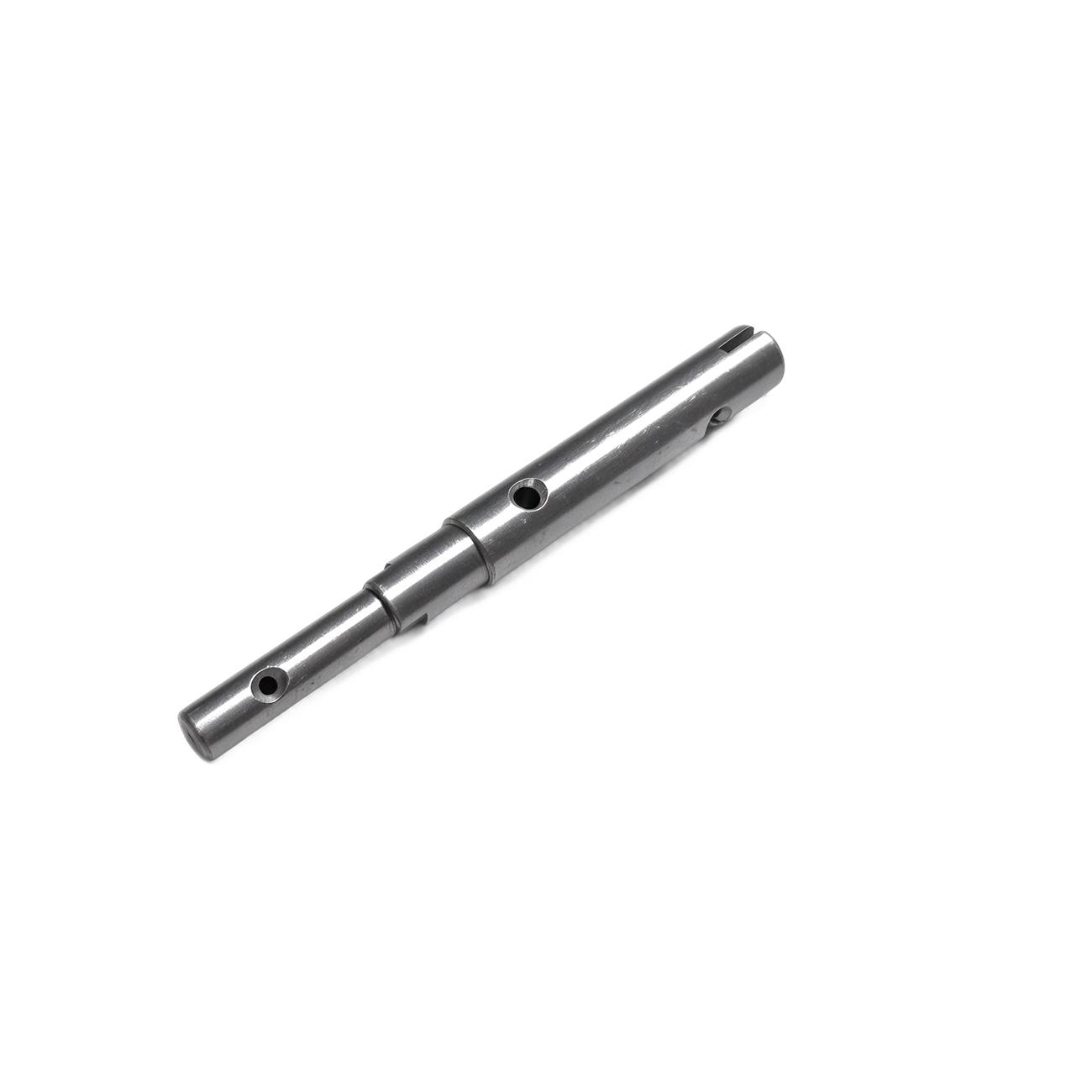
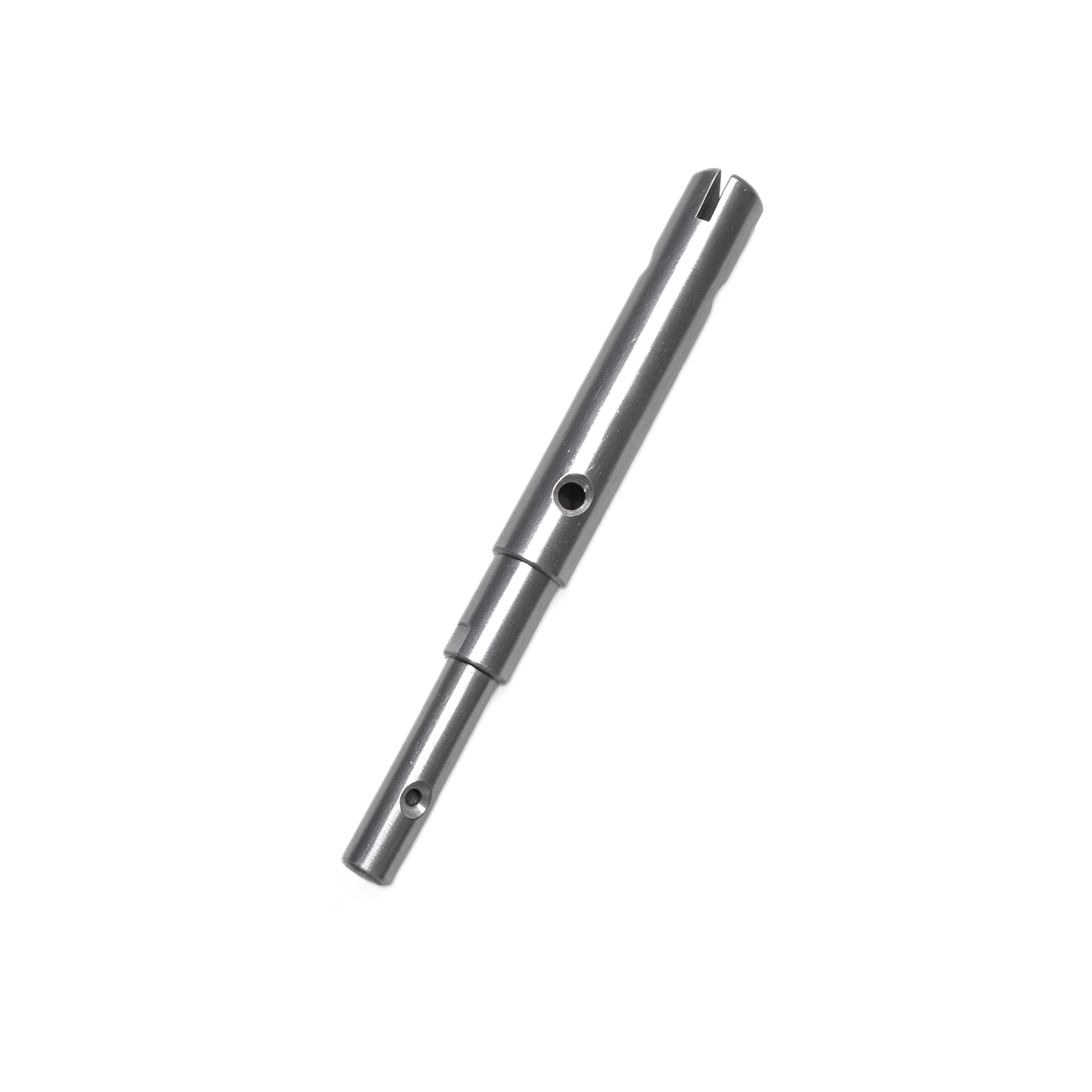
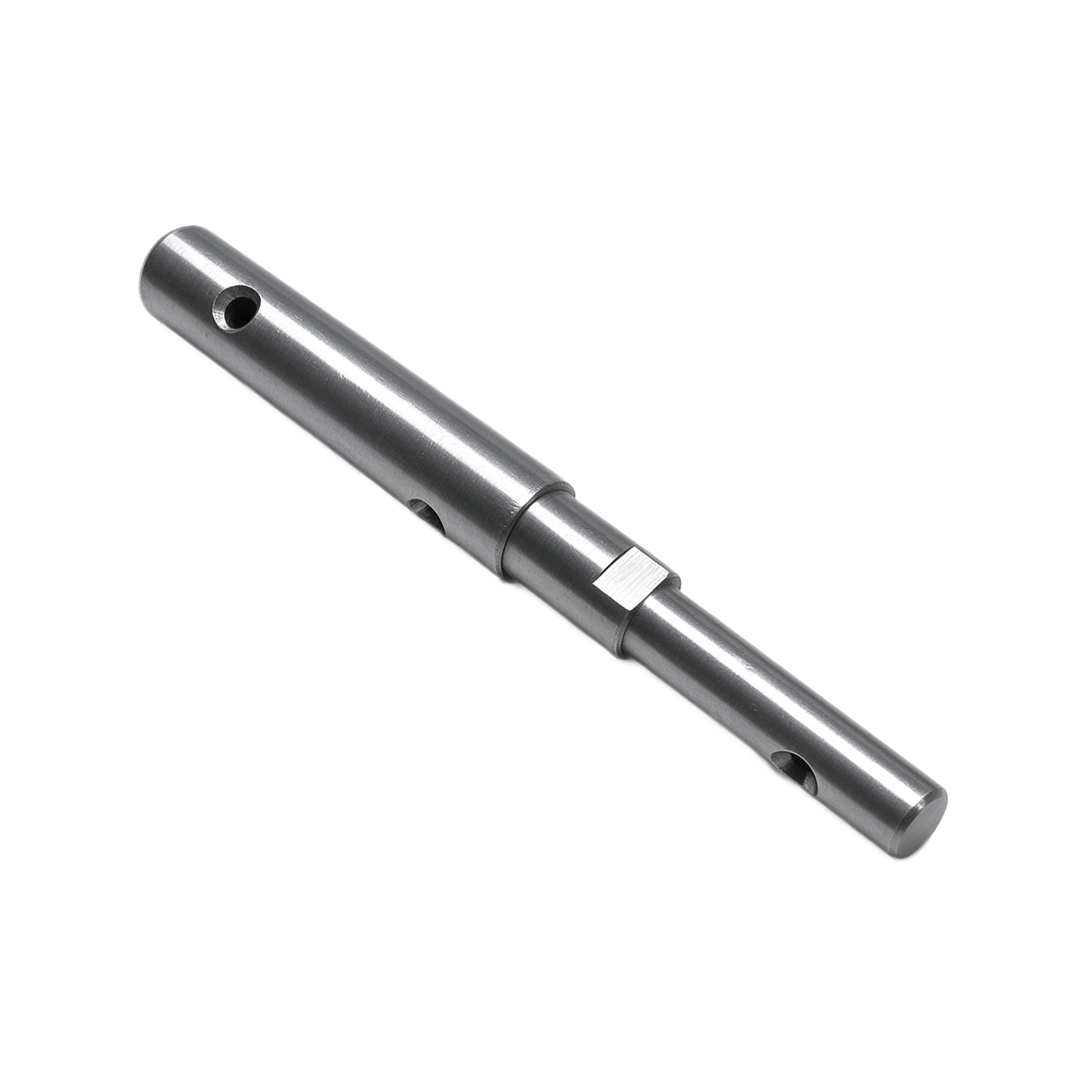
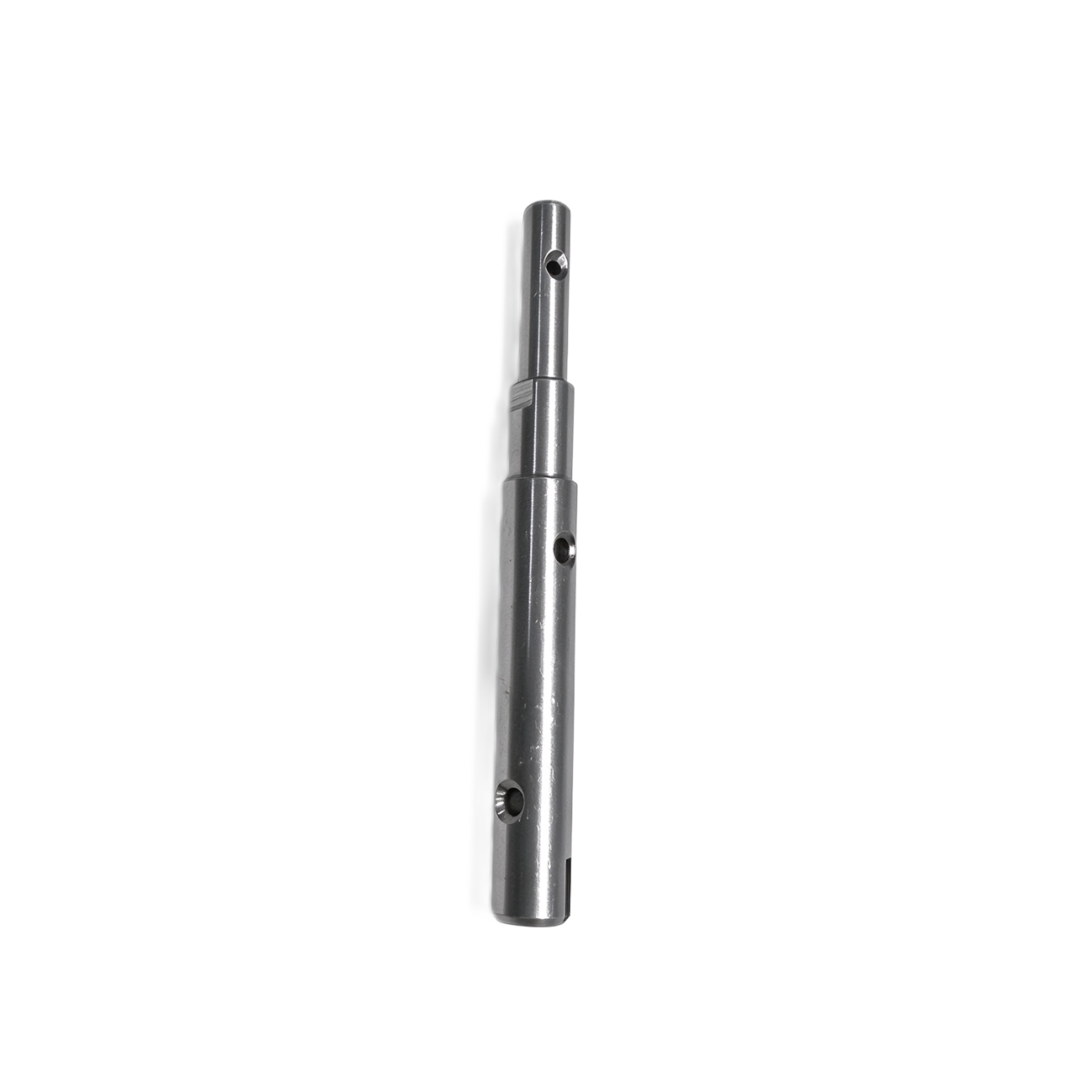
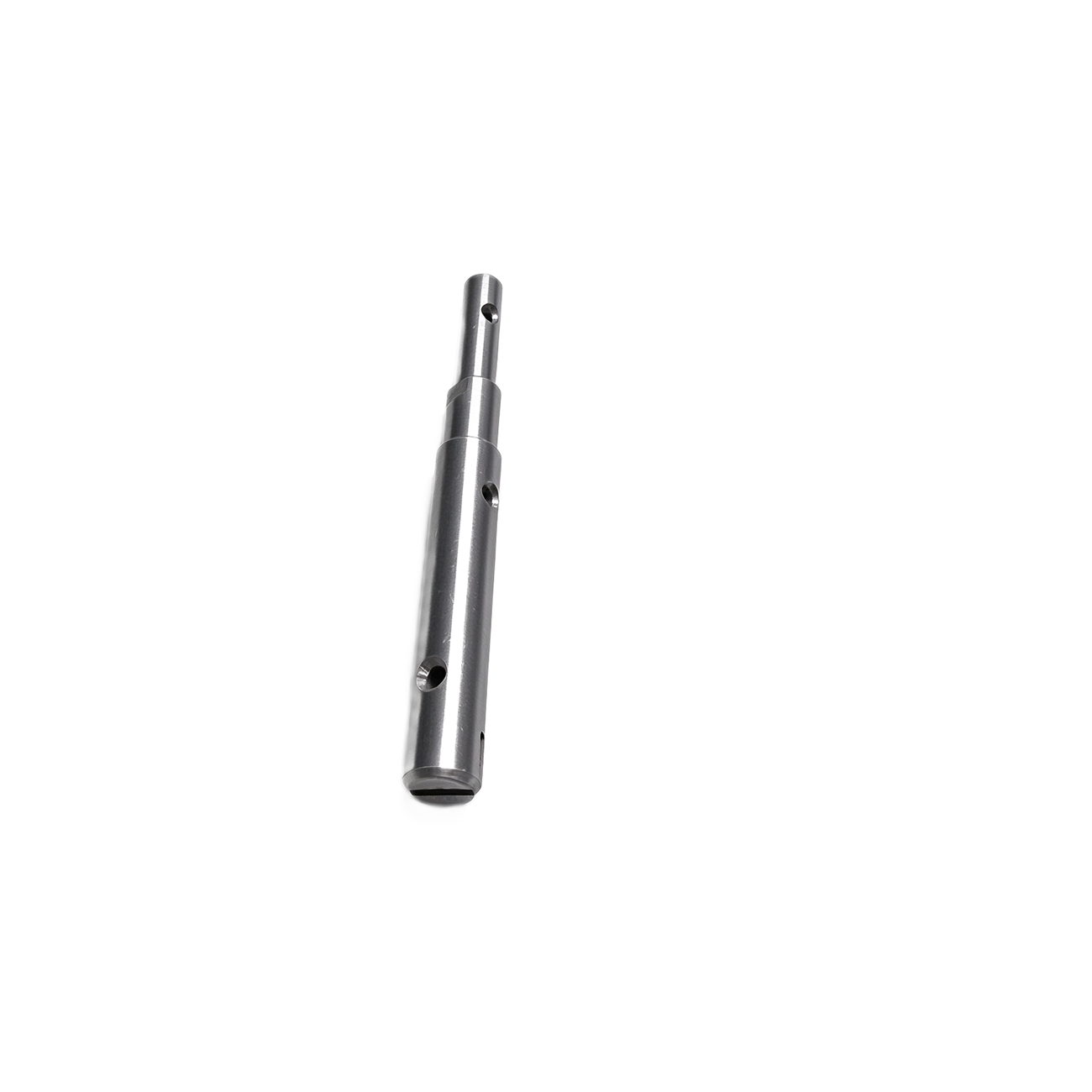
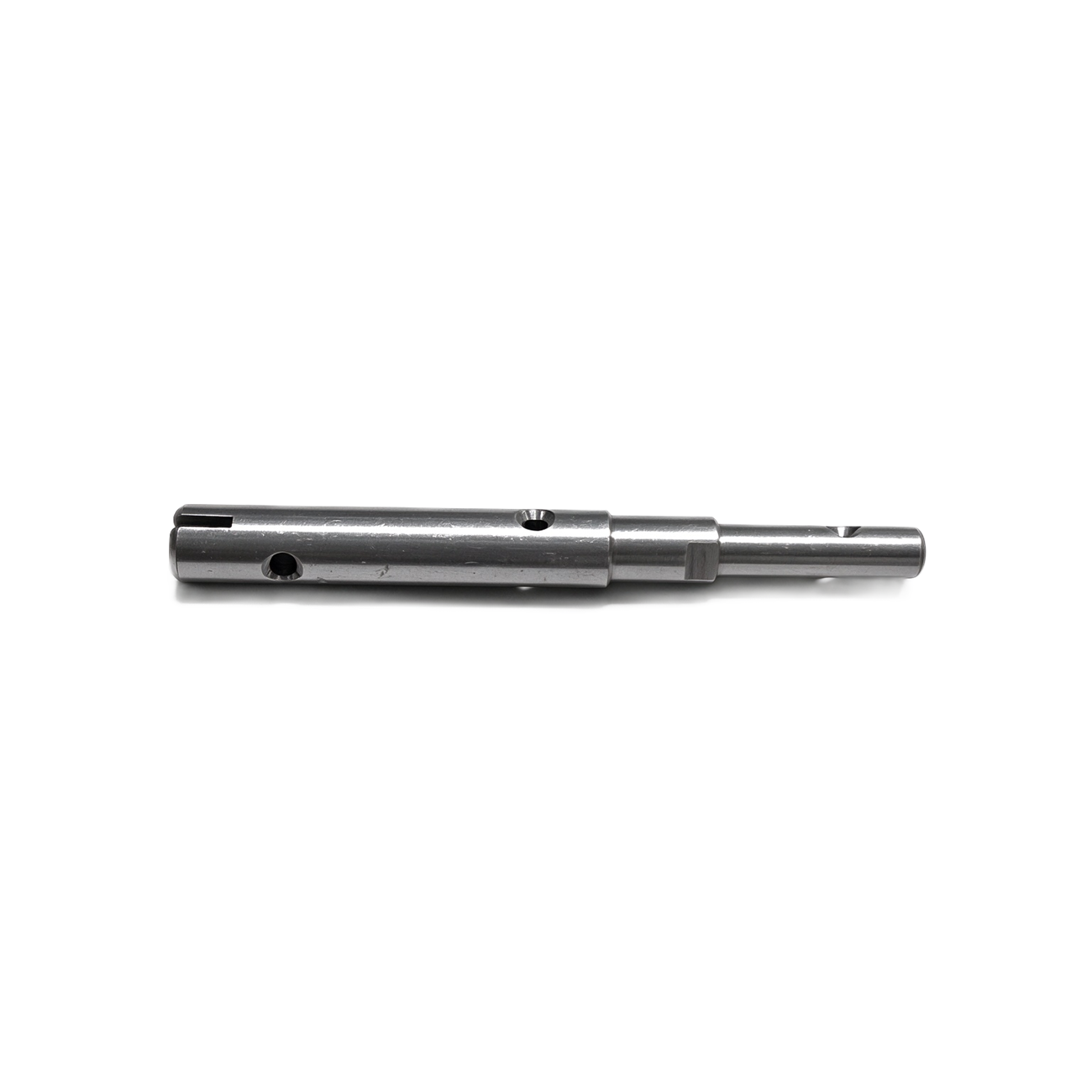
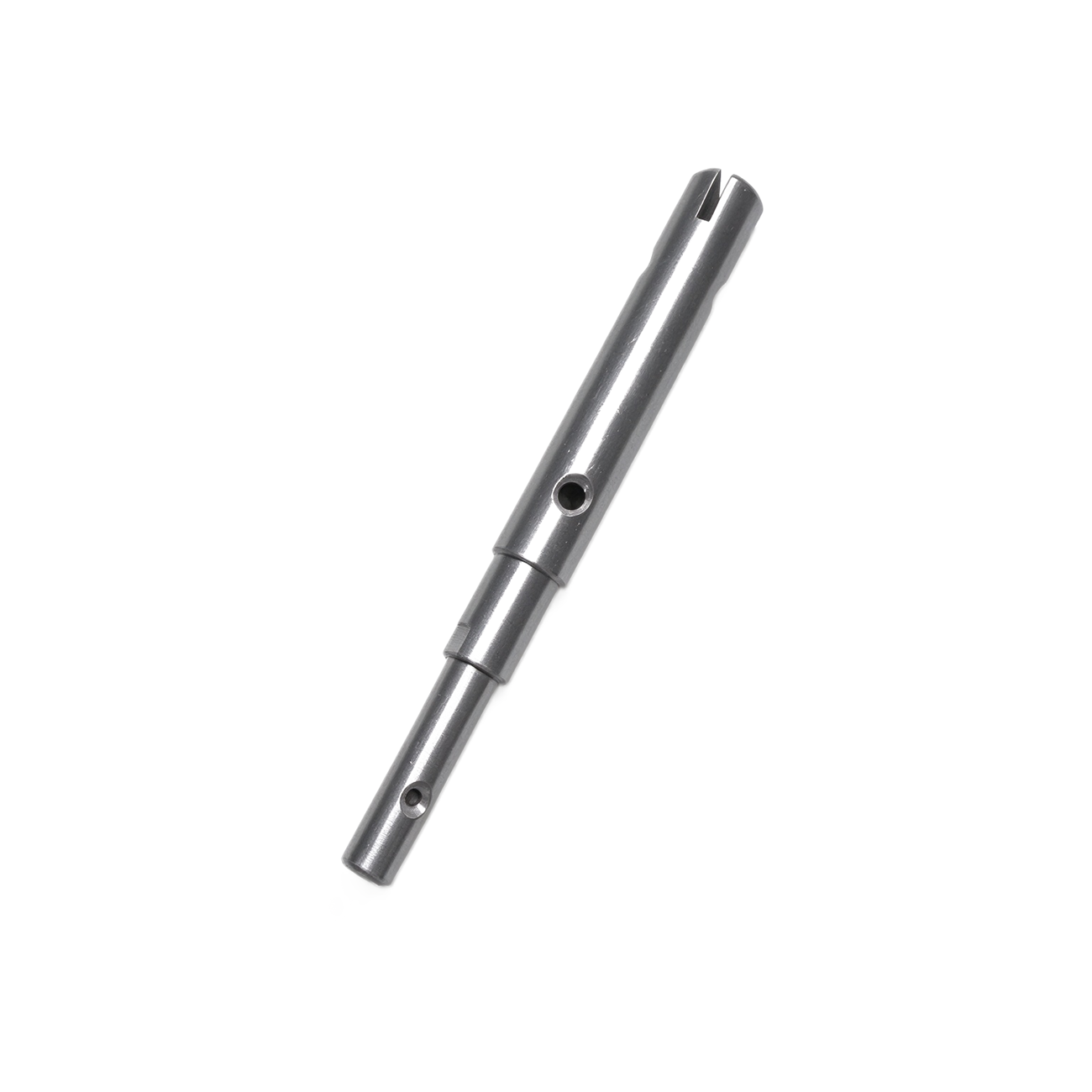
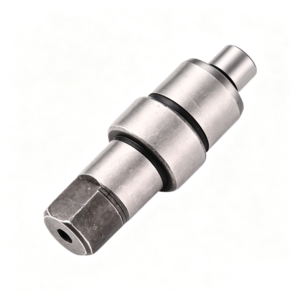
CNC Machined Multi-Stepped Shaft for Automation Machinery from Qimao Metal Manufacturer is an important revolving part. It carries torque, positions components, and controls runout across the assembly. Each diameter section has its own tolerance and surface requirement — bearing seats need tight concentricity, sealing surfaces need specific roughness, shoulders need squareness to locate mating parts. Get any of these wrong, and the machine runs loud, wears fast, or fails early. That is why we machine to function, not just to dimension. Every step is designed around how the shaft actually works in your automation equipment.
We review the drawing, flag what matters, and confirm critical requirements before the first chip is cut.
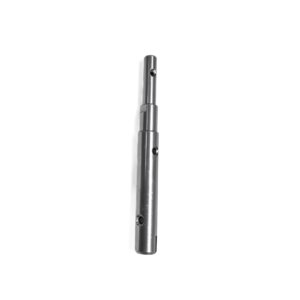
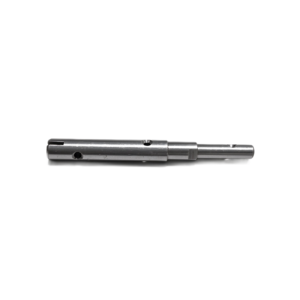
Product Specification:
| Product Name: | Item No.: | Material: | Measurement(mm): | Surface Finish: | Weight(g): | ||
| L: | W: | D: | |||||
|
CNC Machined Multi-Stepped Shaft for Automation Machinery |
QM3004 | Aluminum | 13.11 | / | 6.08/1.37 | Polish | 10.04 |
Product Details:
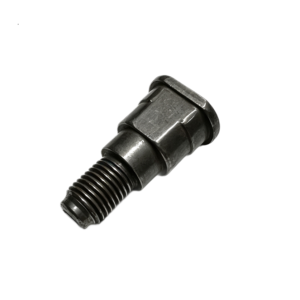
This CNC Machined Multi-Stepped Shaft for Automation Machinery is machined to your drawing or sample, with no standard size limit. We work with stainless steel, alloy steel, carbon steel, and brass, and support CNC turning, milling, grinding, heat treatment, and surface treatment. Steps, shoulders, chamfers, fillets, keyways, threads, grooves, and flats can all be customized. We control all specification include: diameter tolerance, concentricity, shoulder squareness, runout, surface roughness, and hardness. We process from sample, then trial production, after confirm all details and fit measure. Every project gets first article, in-process, and final inspection. Any change in material, process, or supplier goes through ECN and re-verification.
Core Feature:
-
The CNC Machined Multi-Stepped Shaft for Automation Machinery made to your drawing or sample. No standard size limit — we work from your dimensions and tolerances.
-
Material matched to the job. Stainless steel, alloy steel, carbon steel, or brass, chosen by corrosion, strength, and wear requirements.
-
Full machining under one roof. CNC turning, milling, grinding, heat treatment, and surface treatment, so tolerances stay consistent.
-
Custom geometry. Steps, shoulders, chamfers, fillets, keyways, threads, grooves, and flats.
-
Critical dimensions controlled. Diameter tolerance, concentricity, shoulder squareness, runout, surface roughness, and hardness.
-
DFM review before machining. We flag hard-to-hold tolerances and features that may deform during clamping.
Wide Usage:
-
CNC Machined Multi-Stepped Shaft for Automation Machinery by automation machinery and actuators. Transmits torque and keeps runout low over long duty cycles.
-
Pumps and micro pumps. Stepped diameters locate bearings and impellers; shoulders handle axial positioning.
-
Smart bubble bath devices. Quiet running matters — noise and vibration are directly noticeable to users.
-
Small appliance transmission modules. Fits multiple components along one axis in tight space.
-
Unstable or fast-wearing shaft replacement. We reverse engineer and fix the root cause.
-
Non-standard cases. When a standard shaft cannot meet assembly or performance requirements.
Installation Guide:
Installation starts with checking the CNC Machined Multi-Stepped Shaft for Automation Machinery against the drawing — diameters, step lengths, shoulder squareness, and surface condition. Clean all mating surfaces before assembly. Do not force the shaft into a bearing or housing; if it does not slide in with light pressure, stop and check the tolerance. Use the correct tooling for pressing or pulling.
Once the shaft is in place, turn it by hand first. It should rotate freely, without binding or rough spots. Then mount a dial indicator and check runout at the bearing seat and the far end. Both readings should stay within the drawing tolerance.
On the first run, keep the speed low. Listen for any abnormal noise — a smooth shaft runs quiet. Feel the housing temperature after a few minutes; if it gets hot, stop and recheck alignment and concentricity before running at full speed.
Reviews
There are no reviews yet.