
CNC Machining: What It Is, Working Principle & Processing Workflow
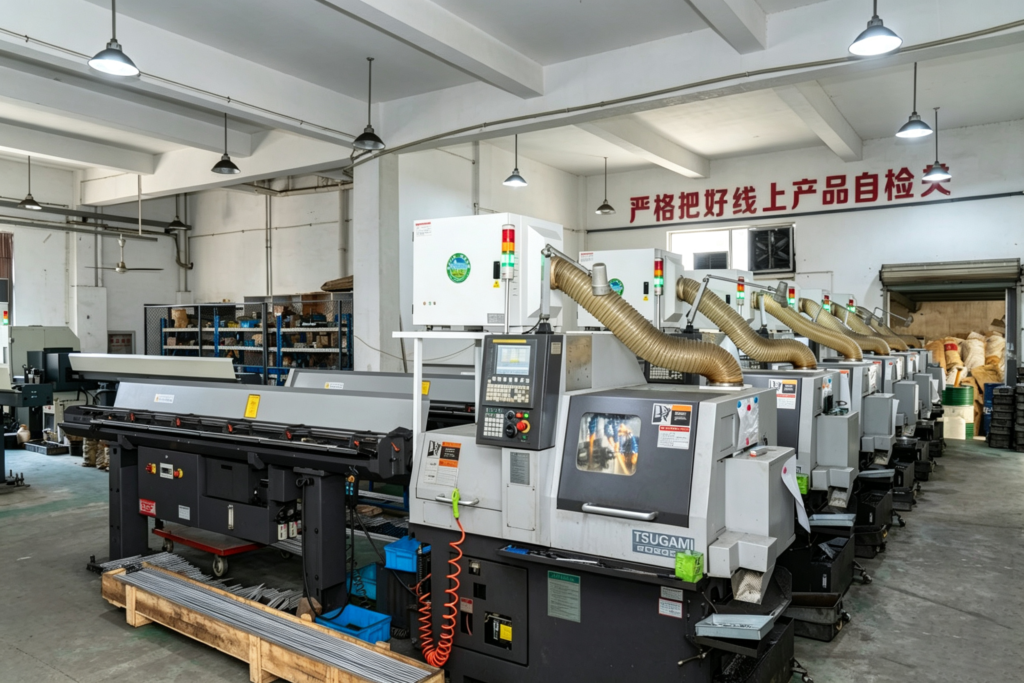
What CNC Actually Is
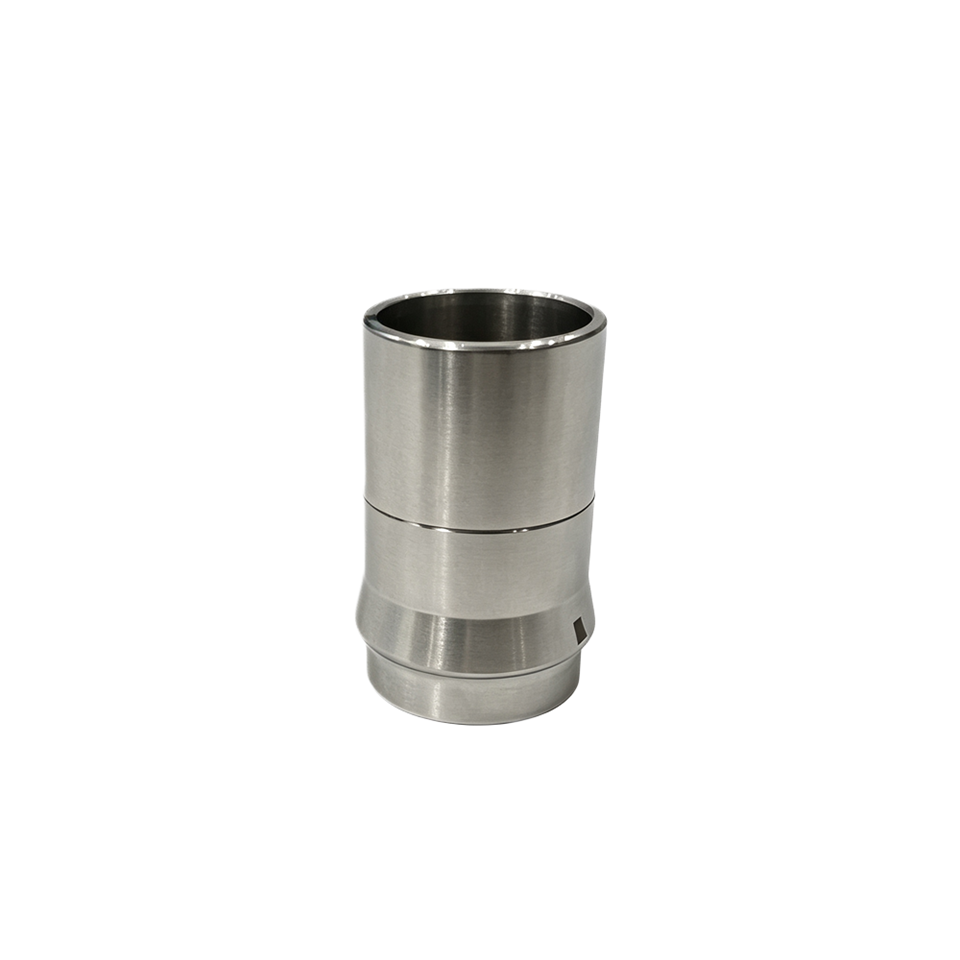
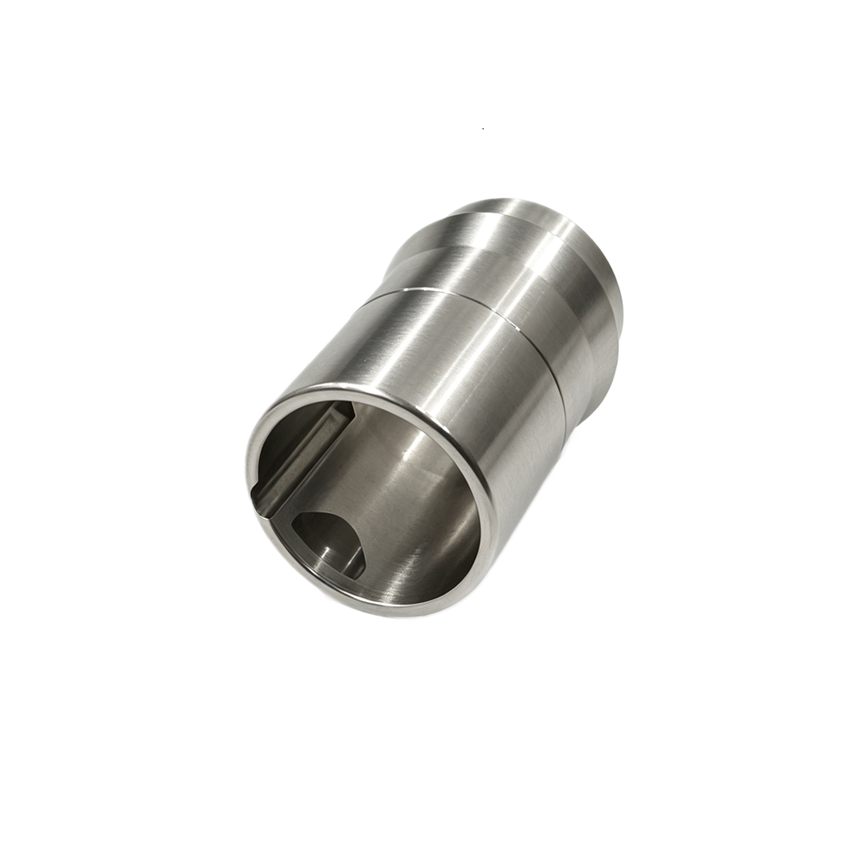
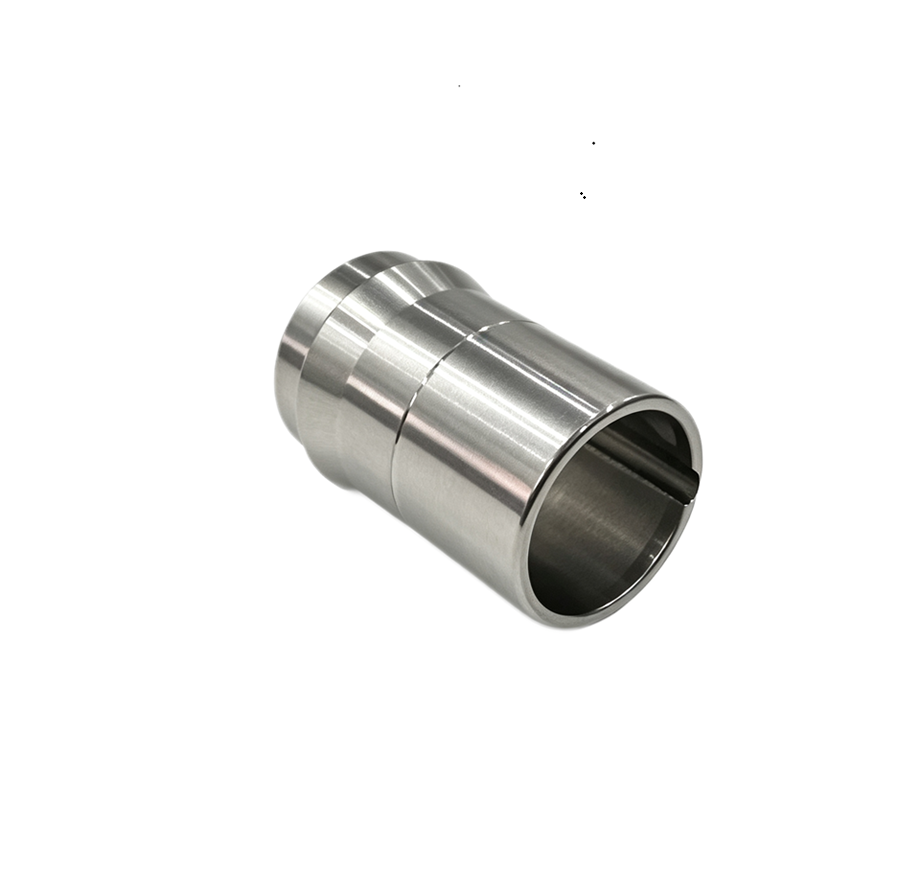
CNC stands for Computer Numerical Control. In simple terms, it means the machine tool process follows a program instead of a human hand. For example as our products Qimao Metal Manufacturer 304 Stainless Steel Connector Housing for Industrial & Outdoor Applications .Before CNC machine was manufactured , the machinist turned handwheels and watched dials to move a cutting tool along a path. Today, that path is written as code, and the machine executes it automatically.
The core of any CNC system is the controller. CNC system reads the 304 Stainless Steel Connector Housing for Industrial & Outdoor Applications from Qimao Metal Manufacturer program one by one, and translate each command into electrical signals. Those signals drive servo motors, which move the machine axes. The accuracy and speed of the CNC machine depends on three things: the controller, the servo system, and the mechanical structure. If any one of them is weak, the machine cannot hold tight tolerances at high feed rates.
For anyone in manufacturing sales, this matters because customers do not ask “do you have CNC?” They ask “can you hold ±0.02mm on this part?” The answer depends on the whole system, not just the presence of a CNC label.
Basic Machine Components

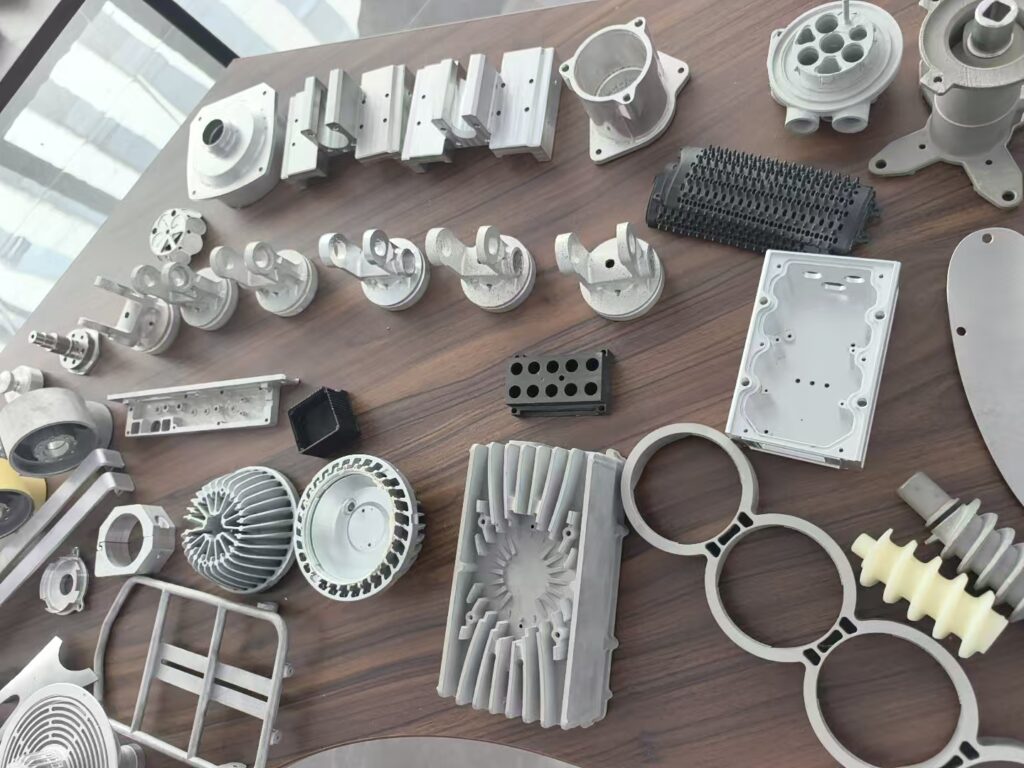
You do not need to memorize a structure diagram, but you should know what customers mean when they mention specific parts.
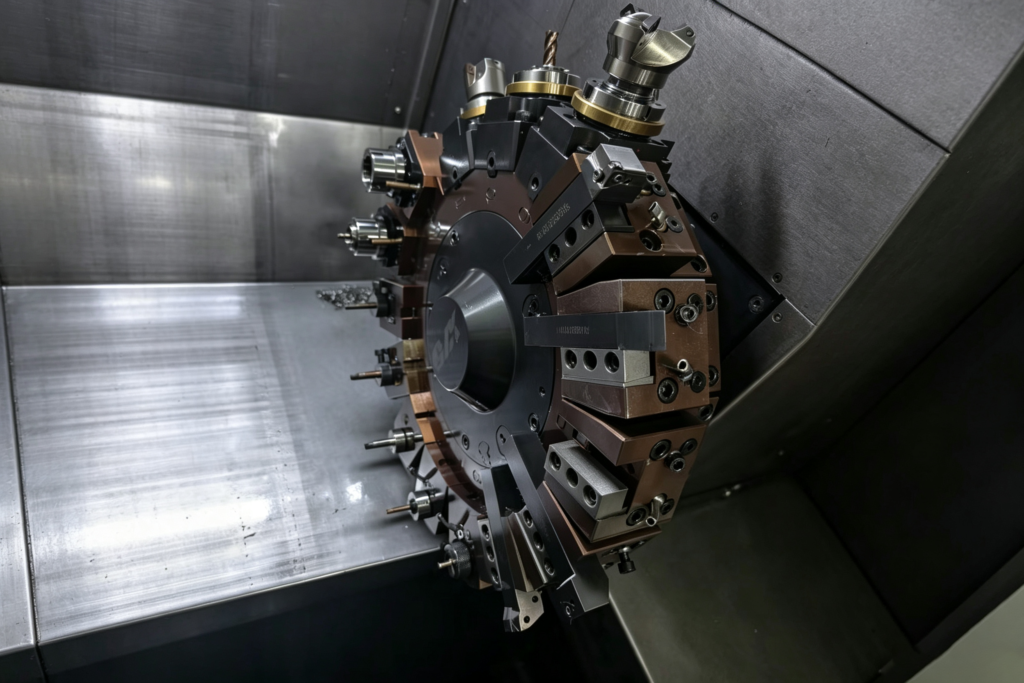
The spindle holds and rotates the cutting tool. Spindle speed by measured in RPM, determines the speed how fast the cutting edge moves through the material. The feed axes move the workpiece or the tool along straight lines. Lots of machines have three axes: X, Y, and Z. Machining centers work for complex product can have a fourth or fifth axis for complex geometry.
The tool changer stores multiple tools and swaps them automatically. A machining center might hold 12, 24, or even 60 tools in their magazine. The worktable supports the workpiece. It usually has T-slots for clamps and fixtures. The machine bed and column provide the rigidity that keeps everything aligned under cutting forces.
When a customer asks about machine capability, they are really asking about the combination of spindle power, axis travel, tool capacity, and structural rigidity.
How To Cut The Material
CNC machining is a process of remove material. A rotating cutting tool engages the work parts, and the relative motion between tool and work parts shears away chips,make the parts smooth and flat.
Three forces act during cutting: cutting force, feed force, and radial force. The cutting parameters are controlled by three variables: spindle speed, feed rate, and depth of cut. These three are not independent. Increase the feed rate too much, and the tool wears faster and surface finish gets rough. Decrease it too much, and the tool rubs instead of cutting, which generates heat and shortens tool life.
The process planner’s job is to find the balance. For aluminum, you can run high speeds and heavy feeds. For stainless steel, you need lower speeds and careful chip control because the material work-hardens. For titanium, you need even lower speeds and generous coolant to keep temperatures down.
Understanding this helps a salesperson explain why a stainless steel part costs more than the same part in aluminum. It is not just material price. It is cycle time, tool wear, and risk.
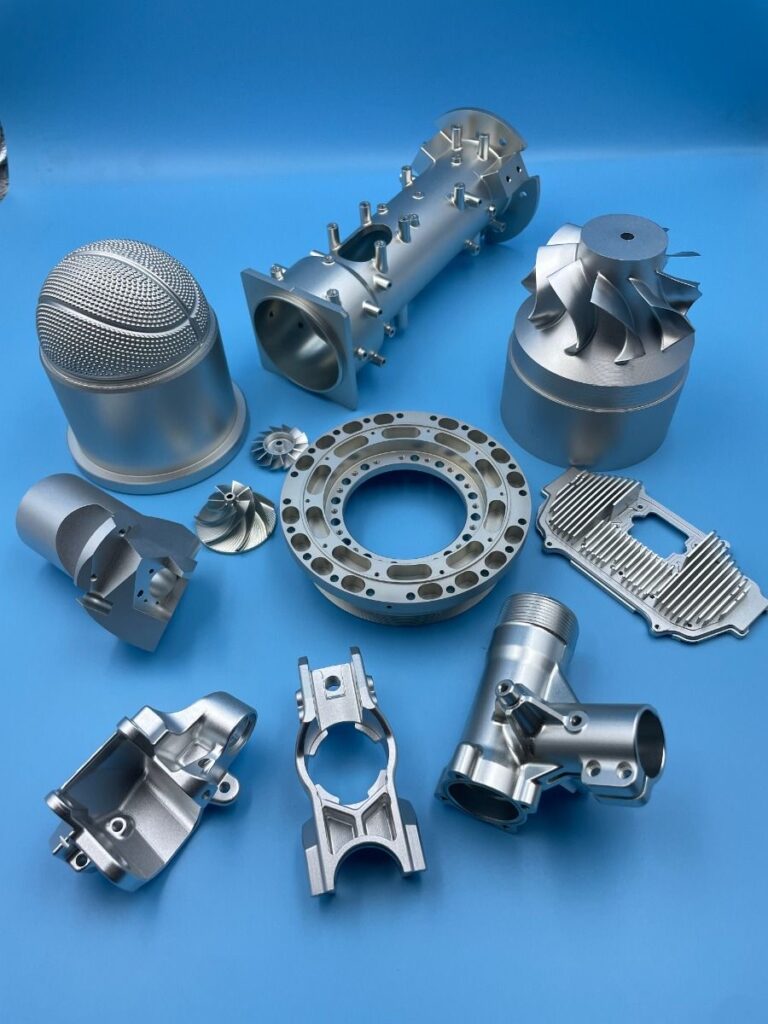
Common Machining Types
Milling uses a rotating multi-point cutter. The blankpart feeds linearly against the tool. This is used for flat surfaces, grooves, pockets, and contours. A machining center is the most common milling machine in modern shops.
Turning uses a single-point tool against a rotating parts. It deal the cylindrical surfaces, faces, grooves, and threads. The CNC lathe is the standard basic machine for turned parts.
Drilling and tapping process holes and internal threads. These operations are often deal on a machining center after the main milling passes. Drilling is fast, but hole quality depends on drill geometry shape, speed, and feed. Tapping needs the spindle speed and feed to match up. If they don’t, the threads get damaged.
Grinding uses an abrasive wheel or vibratory finishing to remove small amounts of material. It is used for strict tolerances range and high quality surface treatment. Grinding is slower than milling or turning, but it can hold tolerances better than other processes cannot done.
When a customer says “this part is turned” or “this needs milling,” you should be able to picture the machine and the setup.
Precision and Tolerance
Tolerance is the allowed size range for a dimension. If a drawing says ±0.05mm, the real part can be 0.05mm over or under the target size, and it still passes. CNC machines normally hold ±0.01mm to ±0.05mm. How tight you can go depends on the machine, the tooling, and the material. Better machines can hold tighter numbers, but the price goes up fast. So before you promise a tolerance, check what the shop can actually hold. Do not quote a tight number just because the drawing shows one.
Surface roughness is another key specification. It is measured as Ra, the arithmetic average of surface profile deviations. A smaller Ra means a smoother surface. Standard milling might produce Ra 3.2 micrometers. Fine milling can reach Ra 1.6. Grinding can achieve Ra 0.4 or better.
A salesperson should never say “we hold tight tolerance” without a number. Customers want to know the number. If you can say “we hold ±0.02mm on this feature,” you sound credible.
Materials and Cutting Tools
Common materials fall into a few groups. Aluminum is soft, cuts fast, and produces good surface finish with the right tool. Carbon steel is the baseline material for many industrial parts. Stainless steel is tougher to cut. It work-hardens fast, so you need slower speeds and a rigid setup. Titanium is even worse. It does not carry heat away well, so the heat stays right at the cutting edge and eats tools fast. Engineering plastics are easy to cut, but clamp them too hard and they deform.
Cutting tools are mostly high-speed steel or carbide. Carbide is harder and lasts longer, and it is what most modern CNC shops run. Coatings like TiN and TiAlN help tools last longer by cutting down friction and heat. So when a customer asks about tool life, the answer is not just the tool material. It is the material being cut, the speeds and feeds, and the coating. All three matter. Tool selection depends on material, operation type, and surface finish requirement.
If a customer asks whether you can machine a certain material, you should know the basic difficulty level. Aluminum and carbon steel are routine. Stainless and titanium require experience and the right tooling.
7-From Drawing to Finished Part
Everything starts with the drawing. The planner looks at the sizes, tolerances, material, surface finish, and how many pieces you need. Then he plans the process: what order to run the operations, how to hold the part, and which tools to use. Next comes programming. It can be done by hand or with CAM software that builds the toolpath from a 3D model. After that, the operator sets up the job: mounts the workpiece, sets the work zero, and touches off the tools. Before running the batch, the shop makes one piece and checks it against the drawing. That is the first-article inspection. If it passes, production starts. During the run, operators check parts every so often. If a dimension starts to drift, they catch it before the whole batch becomes scrap.
Where Qimao fits in
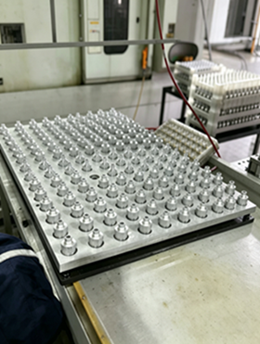
Everything above describes how CNC work gets done. At Qimao, we run this process every day. From reading the drawing to first-article inspection to batch production, every step has a check. If you have a part that needs tight tolerance, difficult material, or a short lead time, send us the drawing. We will tell you what we can hold, what it will cost, and when it can ship. No guesswork. Just real numbers from a shop that does this work every day.