
If you’ve spent any time around a fastener plant or a precision parts shop, you’ve heard the term cold heading thrown around like it’s the answer to everything. And in many ways, it is—but only for the right jobs. Picking cold heading over machining or hot forging isn’t about which process is “better.” It’s about which one stops making you lose sleep over cost, scrap, and delivery dates.
So let’s cut the fluff. What actually makes cold heading different? Why would a purchasing manager or a design engineer push for it? And more importantly—what kind of parts should never go near a cold header? Let’s walk through it like we’re standing next to the machine, watching the wire feed in.
The Real Difference: It’s Not Just “Cold” vs “Hot”
Most people think the only difference between cold heading and hot forging is temperature. That’s technically true, but it misses the point entirely.
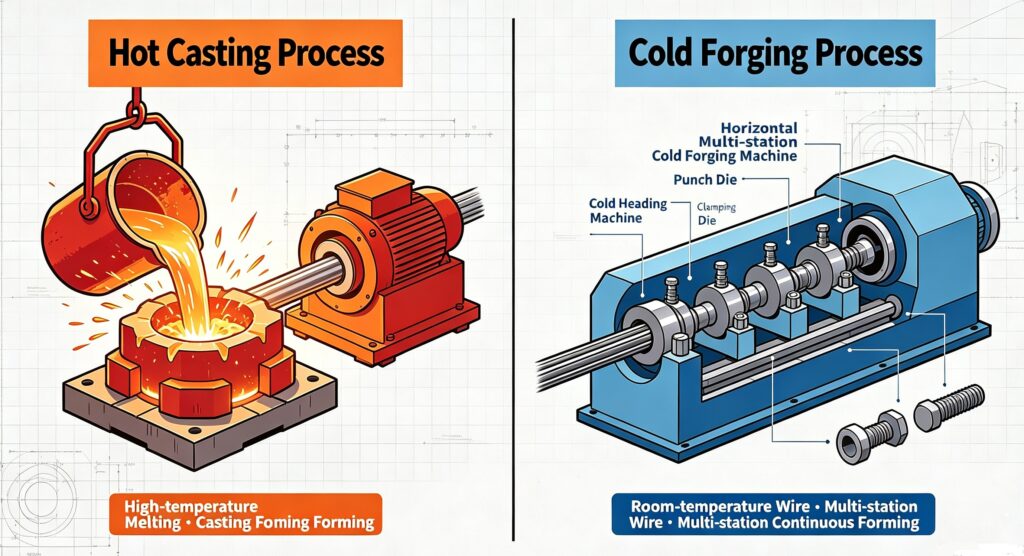
With hot forging, you’re heating the blank until it’s soft like butter, then whacking it into shape. That gives you freedom—complex geometries, big diameters, materials that crack easily at room temp. But you pay for that freedom with scale, oxidation, and dimensional headache. Parts come out with scale, need secondary cleaning, and tolerances? Let’s just say you’re not holding ±0.02mm without a finishing pass.
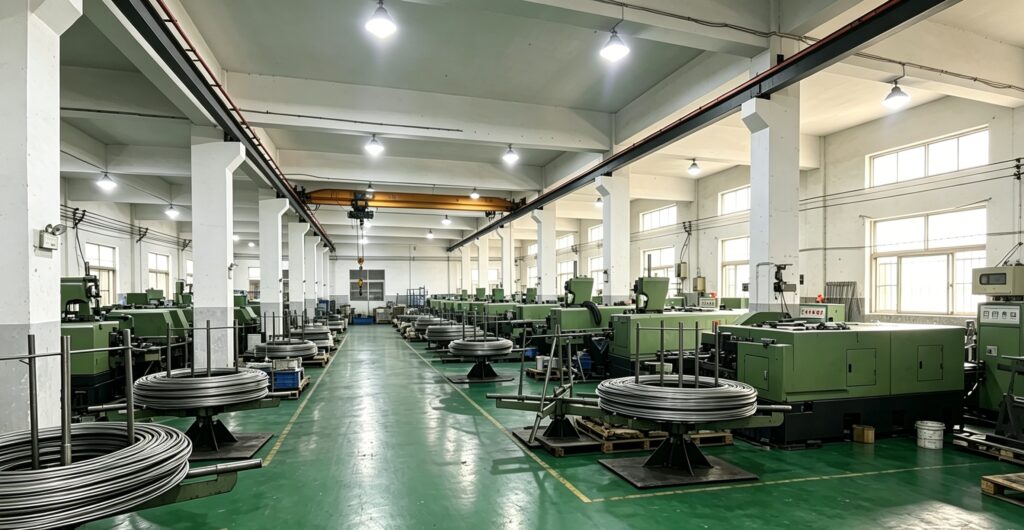
Cold heading? No heat. The wire goes in, the die closes, and the metal gets squished into shape at room temperature. Sounds simple, but here’s the shop-floor reality: the metal fights back. That resistance is exactly what gives cold-headed parts their strength. The grain flow bends with the shape, not cut across it like machining. So your fastener or pin ends up tougher, not just harder.
And machining? That’s the elephant in the room. Machining is great for prototypes, odd shapes, and low volumes. But if you’re turning a 20mm bar into an M12 bolt by cutting chips, you’re throwing away 30–40% of your material cost as swarf. In today’s metal prices, that’s not just inefficient—it’s painful to watch.
Why Shops (and Clients) Actually Prefer Cold Heading
Let’s be honest: no one chooses cold heading because it’s “cool.” They choose it because the numbers work.
First, material utilization. A good cold header uses over 98% of the wire. That scrap bin stays empty. For high-volume jobs—say, a million pieces—that alone can cover the tooling cost three times over.
Second, speed. A modern cold former spits out 200–300 parts per minute. Not per hour. Per minute. Try that on a CNC lathe and watch your spindle cry.
Third, and this is where the sales pitch writes itself: the parts come out stronger. Because the metal work-hardens during forming, you often hit tensile strength numbers that would require heat treatment in a machined part. That means you can sometimes skip an entire process step—and that’s real money saved.
But here’s the catch that no brochure tells you: cold heading is brutal on tooling. Punches and dies see millions of cycles under high pressure. When a tool fails mid-run, it’s not a quick insert change—it’s a downtime event. So you only choose cold heading when the volume justifies the die cost and the geometry plays nice.
So, What Products Actually Belong on a Cold Header?
If you walk into a job shop and ask “can you cold-head this?”, the first thing the foreman will ask is: how many? and how big?
Here’s the real-world answer.
Fasteners – The Obvious, but Not the Only One
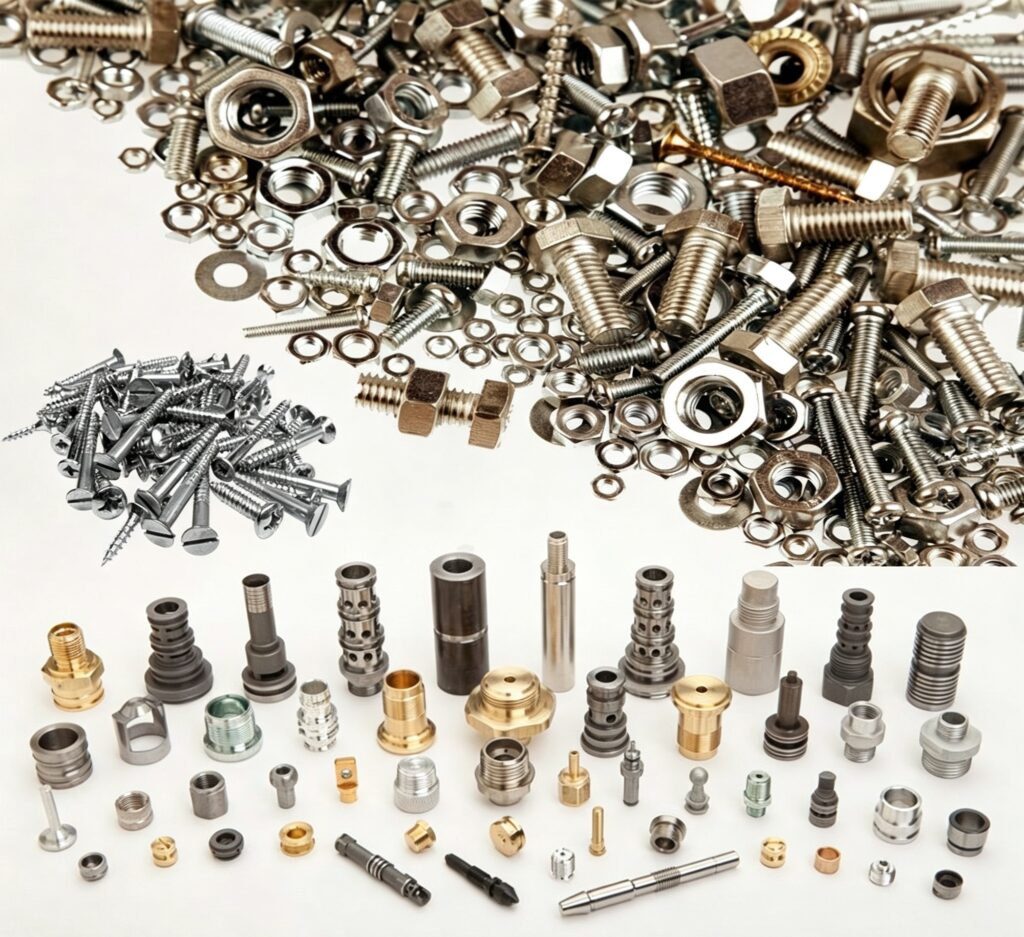
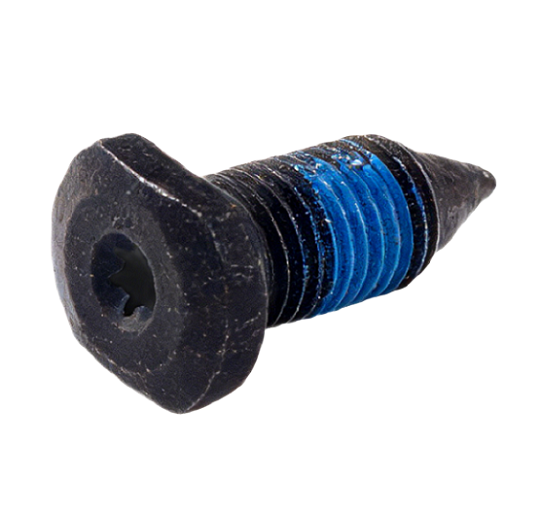
Yes, bolts, screws, rivets, nuts—that’s the bread and butter. If you need a million M6 flange bolts, cold heading isn’t just an option; it’s the only sensible way. But don’t stop there. Blind rivets, studs, wheel lug nuts, even some specialty socket screws—they all come off the same type of machine.
The trick is the head shape. If it’s symmetrical and doesn’t require undercuts or weird off-center holes, you’re in business.
-1024x988.png)
Small Precision Components That Aren’t “Fasteners”
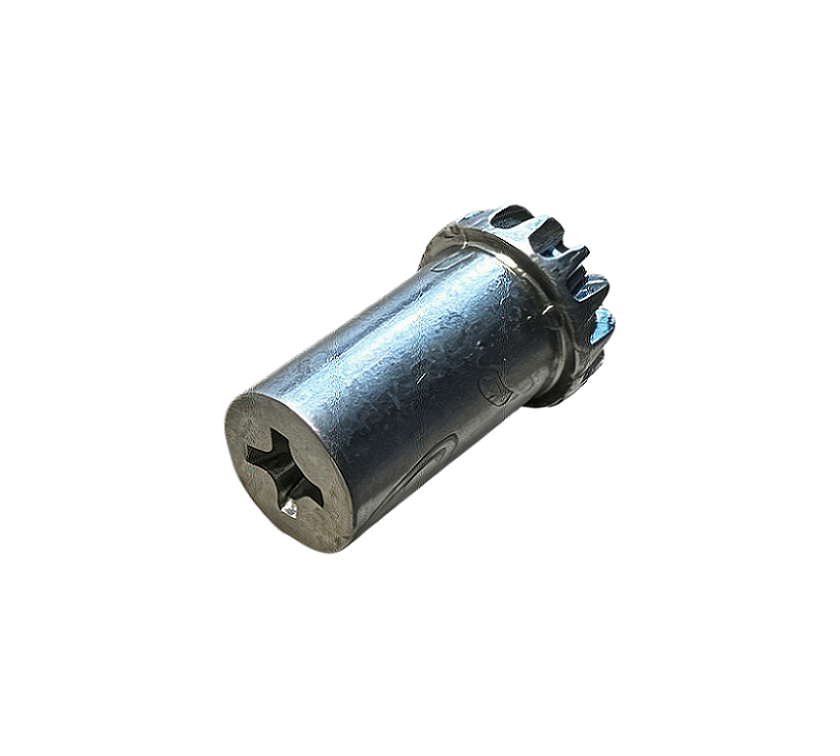
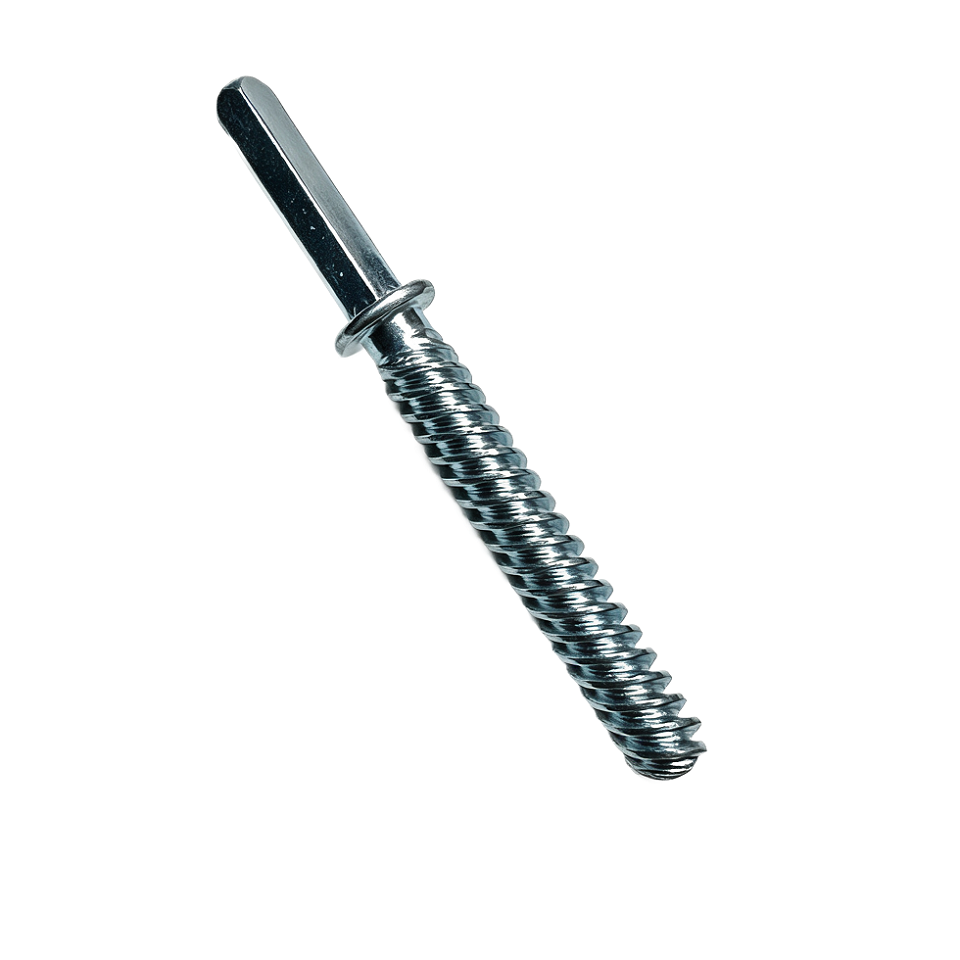
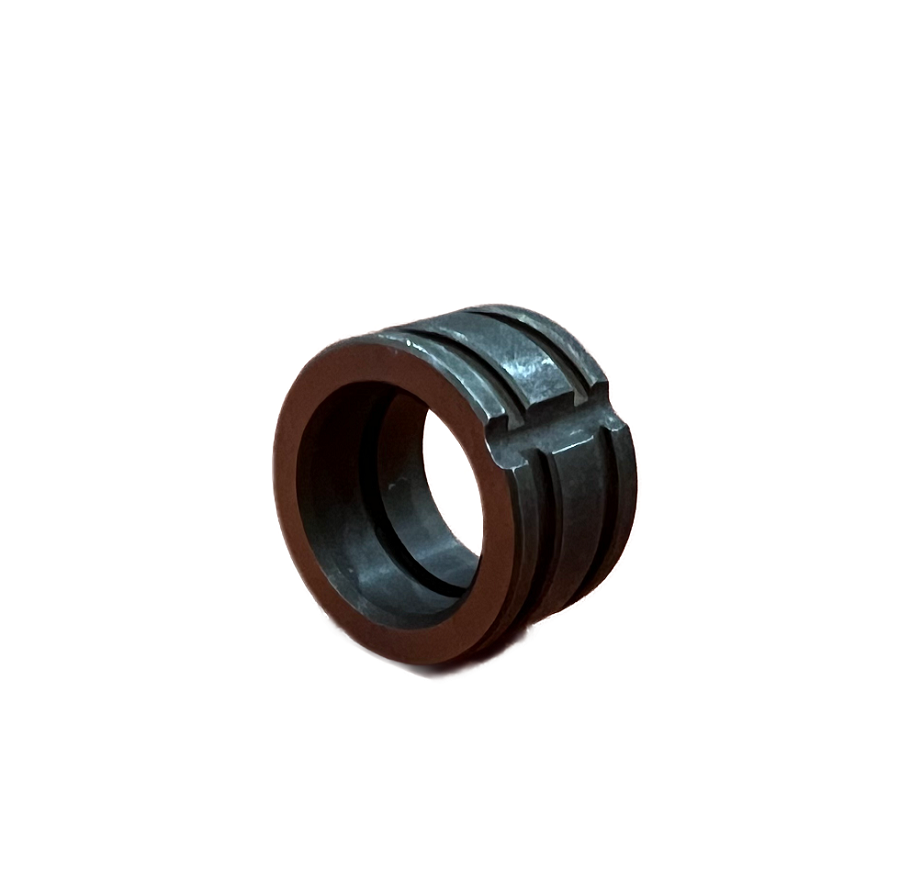
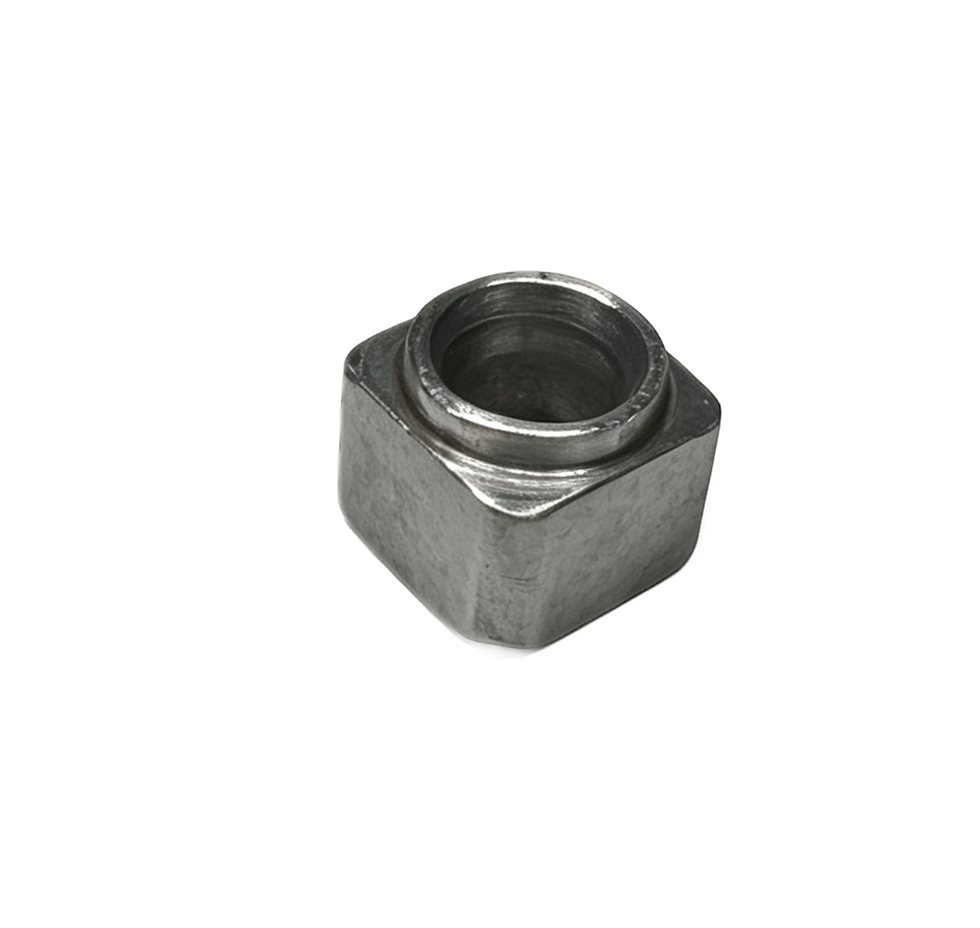
This is where people get surprised. Cold heading isn’t just for threaded things. Think:
- Electrical contact pins (the kind in automotive connectors)
- Hydraulic fitting blanks (pre-formed before final threading)
- Small shafts with a formed head on one end
- Terminal studs for battery cables
- Even some gear blanks for small transmissions
The common thread? They’re round, they’re short, and they’re needed in quantities that make setup time worth it.
Automotive Underhood Parts – The Hidden Goldmine
If you pop the hood of any modern car, about half the small steel components you see were cold-headed. Not just bolts—but sensor housings, ABS rings, injector bodies (pre-forms), and suspension link pins. The reason is fatigue. Those parts vibrate, cycle, and take shock loads. Cold heading gives them a grain structure that laughs at fatigue cracking, which hot forging or machining can’t match without extra cost.
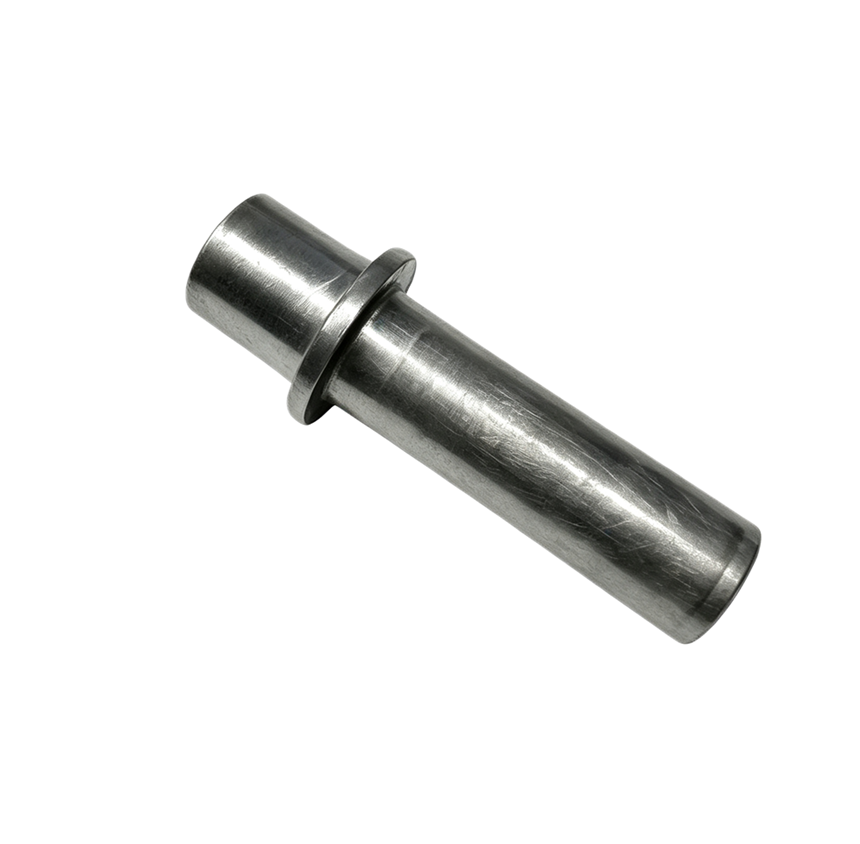
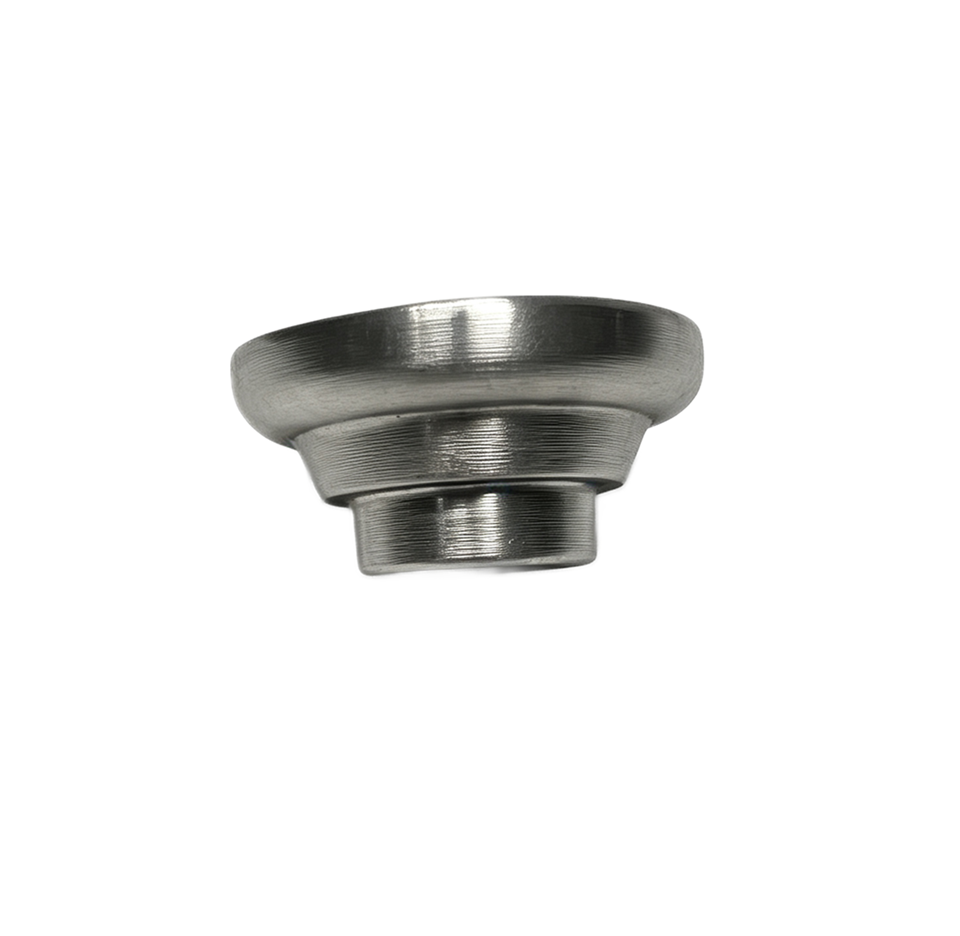
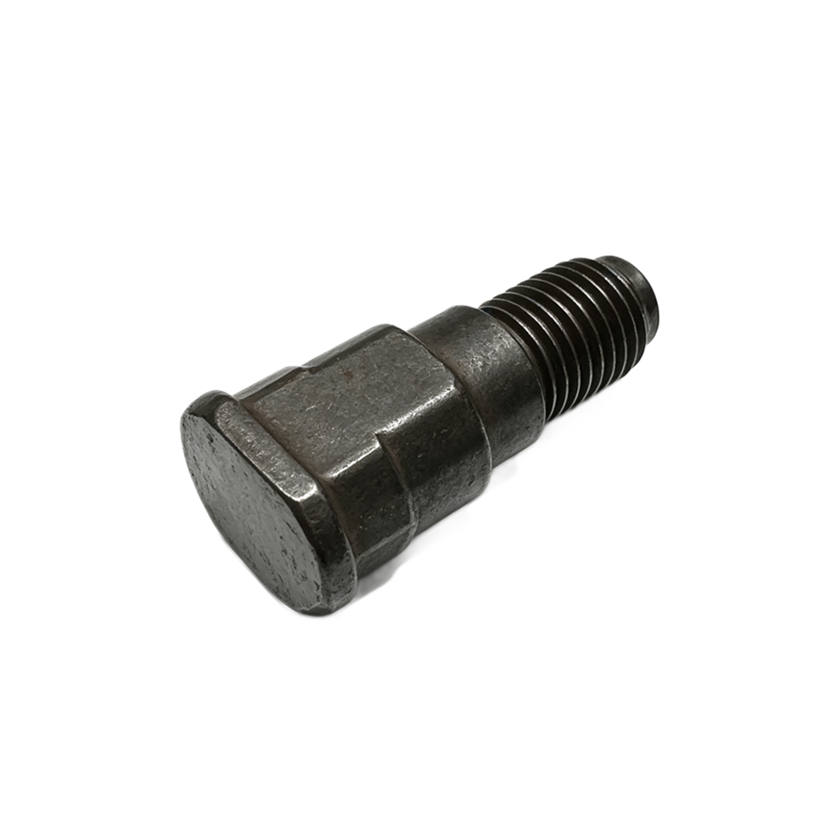
The Bottom Line – Lower Cost, Stable Quality, Higher Output–Welcome to choose Cold Heading Process
So after all that, what does the cold heading process actually deliver for your bottom line? It comes down to three numbers.
First, cost per part. Because cold heading uses over 98% of the raw material, you’re not paying for chips and scrap. Add in the cycle speed—200 to 300 parts per minute—and the labor cost per piece drops to fractions of a cent. For high-volume runs, the tooling amortization spreads so thin that your unit cost barely moves after the first 50,000 pieces. Compare that to machining, where every additional batch still eats up the same spindle time and tool wear. The gap widens fast.
Second, quality stability. Once the tooling is dialed in and the machine is running, cold heading produces part after part with remarkably consistent dimensions. No heat means no thermal expansion, no scale, no unpredictable material behavior from batch to batch. You’re not fighting warpage or oxidation. What comes off the machine at 8 AM looks exactly like what comes off at 4 PM. That kind of repeatability means fewer QC rejects, less rework, and far fewer headaches on the inspection table.
Third, output volume. A single cold former can spit out millions of parts per month without breaking a sweat. That’s not just impressive on paper—it means you can commit to tight delivery schedules, absorb demand spikes, and keep your assembly lines fed without bottlenecking. When your customer needs 200,000 pieces in three weeks, cold heading is the process that says “yes” without overtime panic.
Put those three together—cost down, quality locked, volume up—and you’ve got a manufacturing solution that doesn’t just make parts. It makes your supply chain look good.
If your part is round, symmetric, under 35mm in diameter, and you need it in serious quantities, the cold heading process isn’t just one option among many. It’s the option that checks every box the purchasing manager, the quality engineer, and the production planner all care about.