
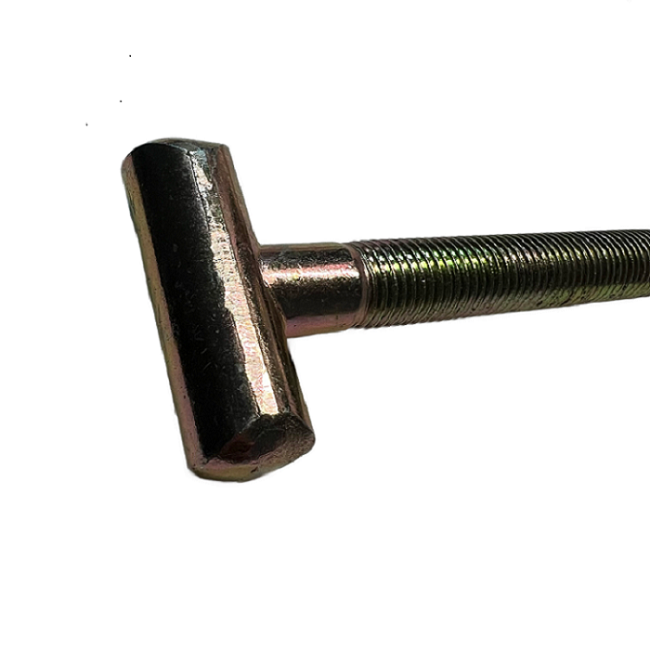
Product Description:
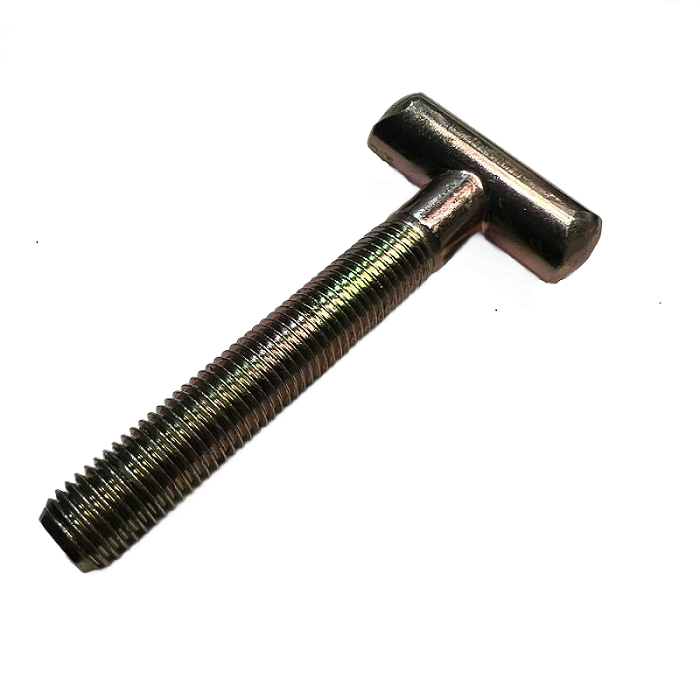
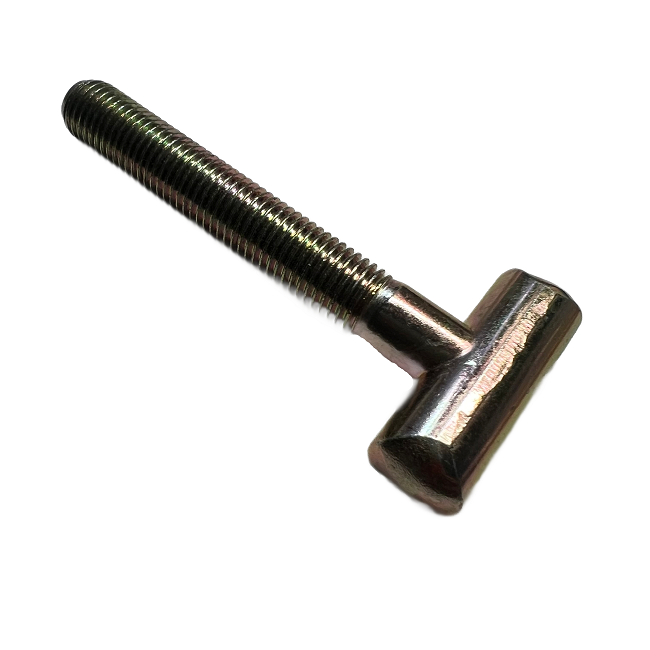
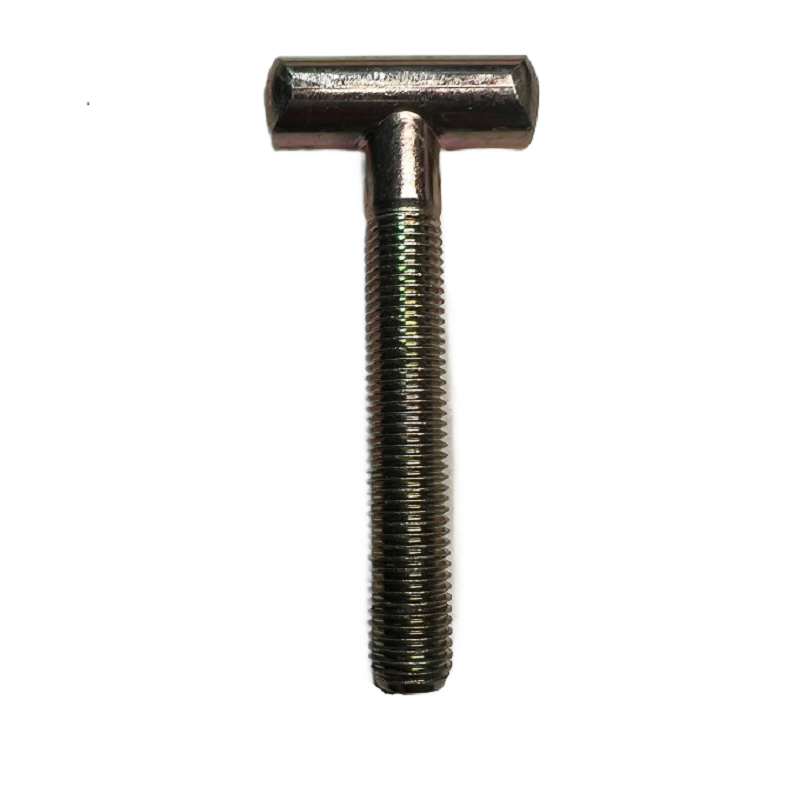
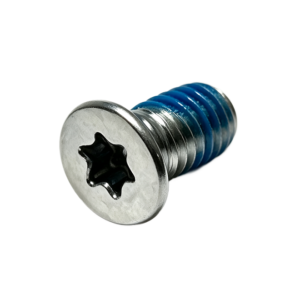
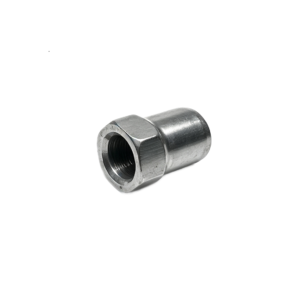
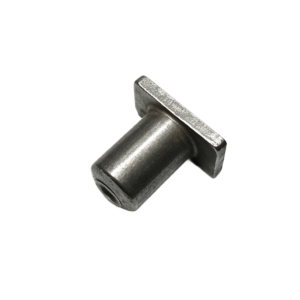
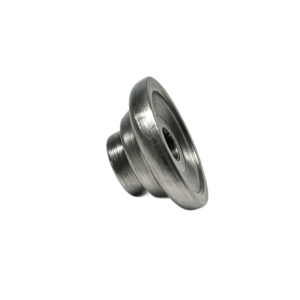
The High Tensile T Screws for Automotive Suspension Systems from Qimao Metal Manufacturer exists because suspension brackets aren’t always designed with service access in mind. Drop the fastener into the slot, quarter-turn, and it locks in place. No wrench behind the panel—on most modern vehicles, that saves you from pulling half the underbody apart just to hold a bolt still.
Material is 42CrMo. The head is cold headed, not machined—machining cuts through grain structure, cold heading keeps grain flowing around the radius, and that affects fatigue life. Polymer quench and temper at 440°C puts hardness at 36–39 HRC.
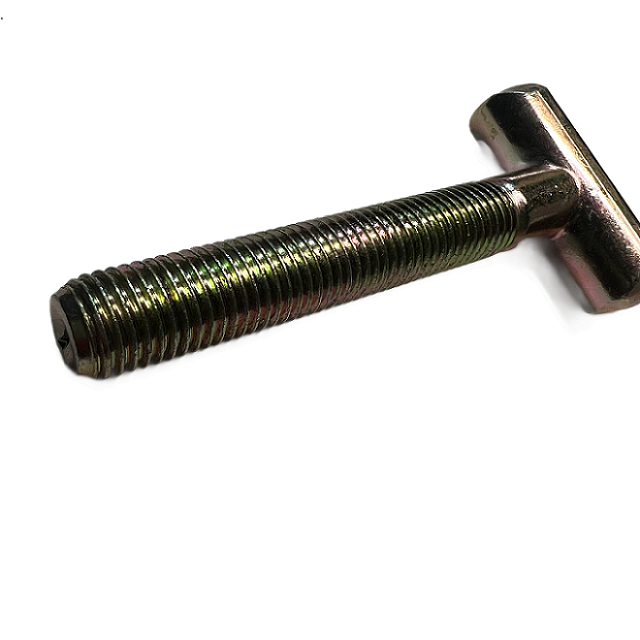
Thread rolling happens after heat treat. Carbide dies handle the harder material. Rolling gives about 15% higher surface hardness on the flanks than the core, which reduces galling during power tool assembly. Surface finish runs Ra 0.8–1.6 μm—smooth enough for consistent torque without being so smooth the nut spins off.
Specification:
| Product Name: | Item No.: | Material: | Measurement(mm): | Surface Finish: | Weight(g): | ||
| L: | W: | Dia: | |||||
| High Tensile T Screws for Automotive Suspension Systems | QM1113 | Steel | 92.1 | 42 | 11.86 | Galvanization | 106.46 |
Products Details:
High Tensile T Screws for Automotive Suspension Systems product head dimensions held to ±0.1 mm for height and width. Underhead fillet radius runs 0.6 to 1.0 mm depending on diameter. Why that range? Field returns told us—fillets under 0.4 mm were cracking at the shank junction on stabilizer bar applications. Head corners are radiused too; sharp corners dig into the slot and cause bearing stress issues over time.
Threads are 6g fit per ISO 898-1. Die dressing every 25,000 parts keeps root radius consistent. Root radius held to 0.125 × pitch minimum. Many commercial fasteners don’t spec root radius, but SAE J1235 testing shows it affects fatigue, so we control it. Coating options: zinc trivalent is standard, 72–96 hours salt spray. Dacromet 500 or Geomet 321 for tougher environments, takes it to about 500 hours. Heavier coatings get die adjustments to compensate for thickness so thread fit stays at 6g.
Product Feature:
-
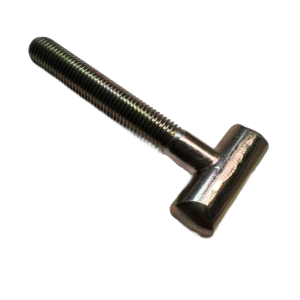
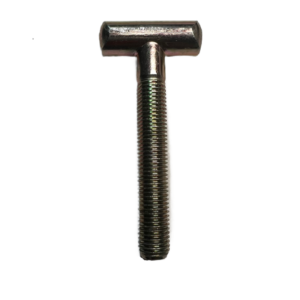
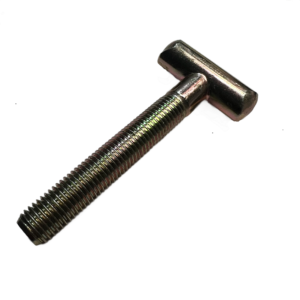
Forged T-head High Tensile T Screws for Automotive Suspension Systems : Grain lines follow the head contour. Machining shears through grain at the corners, leaving stress risers. Forging keeps grain flowing through the radius, which affects fatigue life.
-
Fillet radius controlled: 0.6 to 1.0 mm depending on diameter. Fillets under 0.4 mm were failing on stabilizer bar brackets where bending stress hits the head-shank transition.
-
Threads rolled post-heat-treat: Work-hardens flank surface to about 15% above core hardness, reducing galling during power tool assembly. Keeps quench surface hardness intact.
-
Root radius specified: Minimum 0.125 × pitch. Most fasteners don’t spec this, but SAE J1235 testing shows the root is where cracks start under cyclic loading.
-
Coating thickness compensated: Dacromet and Geomet add 8–12 microns to threads. Dies get adjusted for buildup, otherwise thread fit tightens and torque readings become unreliable.
-
Optical sorting on every piece: Checks head height, shank diameter, length, surface defects. Control limits set tighter than print tolerance.
-
Traceability by batch: Each lot coded to melt source, draw date, heading run, heat treat load, inspection date. Field issues traceable to production hour.
-
PPAP experience: IATF 16949 facility. Three suspension programs in the past year, all accepted Level 3 on first submission.
Product Application:
-
High Tensile T Screws for Automotive Suspension Systems for Control arm pivots: Rear bushing mount sees loading in both directions. T-head drops into crossmember slot from above. Testing showed yield below 1,100 MPa elongated by 80,000 km. Grade 12.9 held through full test.
-
Stabilizer bar link brackets: Drop link bracket sits tight against subframe. T-head sits about 4 mm lower than hex head—matters in crowded underbody. No second wrench needed on back side.
-
Leaf spring anchors on light trucks: Top plate locates into slot on housing. T-head screws hold plate down, see tensile from U-bolt torque plus shear. 12.9 gives shear strength around 720 MPa. Fleet testing ran 100,000 km without failure.
-
Subframe crossmember attachments: Unibody cars use T-slots for crossmembers. Fasteners see multiple cycles. Shops don’t always replace them.
Reviews
There are no reviews yet.